The Ultimate Guide to Edible Gardens in Burlington, NJ


Welcome to the ultimate guide to creating your own edible garden in Burlington, NJ. Whether you’re a seasoned gardener or just starting out, transforming your backyard into a lush, edible oasis is both rewarding and sustainable. Burlington’s climate and soil are perfect for growing a variety of delicious fruits, vegetables, and herbs.
Understanding Burlington’s Climate
Burlington, NJ, experiences a humid subtropical climate, which means hot summers, mild winters, and ample rainfall. This climate is ideal for growing a wide range of plants. However, it's essential to understand the local weather patterns to ensure your garden thrives.
Seasonal Planting Guide
Spring and fall are the best times to plant most vegetables in Burlington. In spring, focus on cool-weather crops like lettuce and peas. As fall approaches, consider planting root vegetables such as carrots and beets. Summer is perfect for tomatoes, peppers, and cucumbers.
Choosing the Right Plants
When planning your edible garden, it’s crucial to select plants that are well-suited to Burlington’s climate. Some popular choices include tomatoes, zucchini, basil, and strawberries. These plants not only thrive in local conditions but also provide a bounty of fresh produce.
Companion Planting
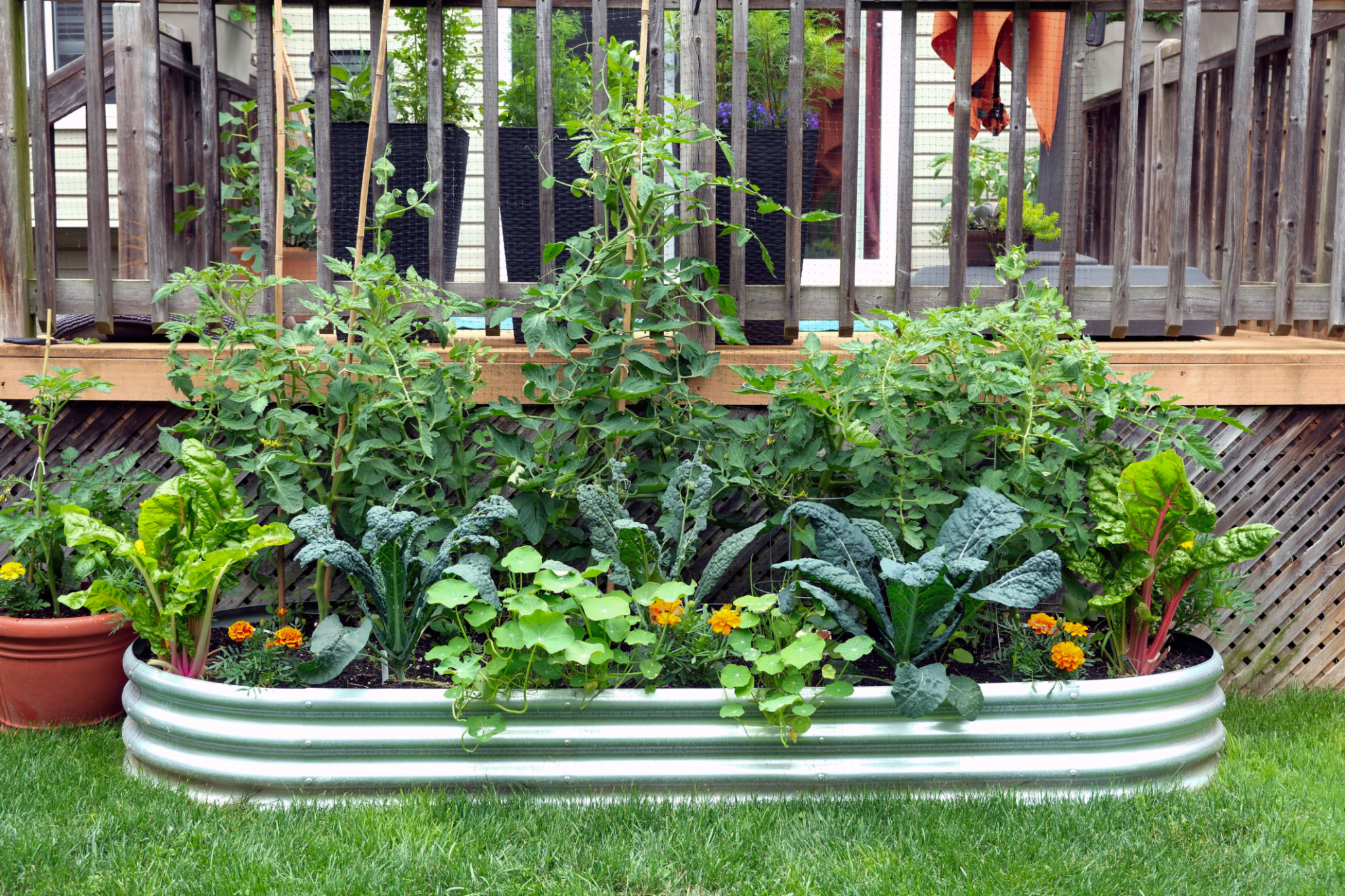
Companion planting can enhance growth and pest control. For instance, plant basil near tomatoes to boost flavor and deter pests. Similarly, growing marigolds among vegetables can help ward off harmful insects naturally.

Soil Preparation and Maintenance
Good soil is the foundation of a successful garden. Burlington's soil is typically loamy, which is great for gardening. Ensure your soil is well-draining and rich in organic matter by adding compost or well-rotted manure. Regular soil testing can help maintain the right nutrient balance.
Watering Techniques
Consistent watering is vital, especially during dry spells. Consider installing a drip irrigation system to ensure even moisture distribution. Mulching can also help retain soil moisture and reduce weed growth.
Pest Management
Managing pests naturally is crucial for an edible garden. Regularly inspect plants for signs of pests and employ organic solutions like neem oil or insecticidal soap. Encouraging beneficial insects like ladybugs can also help keep harmful pests in check.
Building a Sustainable Garden
Sustainability is key to a thriving garden. Practice crop rotation to prevent soil depletion and plant diseases. Composting kitchen scraps can enrich your soil and reduce waste, creating a full-circle ecosystem in your backyard.
With careful planning and a little patience, your edible garden in Burlington, NJ, will flourish, providing fresh, delicious produce all season long. Happy gardening!