The Latest Trends in Edible Landscaping: Innovations and Ideas


Embracing Edible Landscaping
Edible landscaping is transforming gardens worldwide, merging aesthetics with functionality. This trend allows homeowners to cultivate beautiful spaces that also provide fresh, organic produce. As interest grows, innovations and creative ideas are reshaping how we view and utilize our outdoor areas.
By integrating edible plants with traditional ornamental ones, edible landscaping offers a sustainable approach to gardening. This method not only enhances the visual appeal of a garden but also promotes biodiversity and self-sufficiency.
Vertical Gardening and Hydroponics
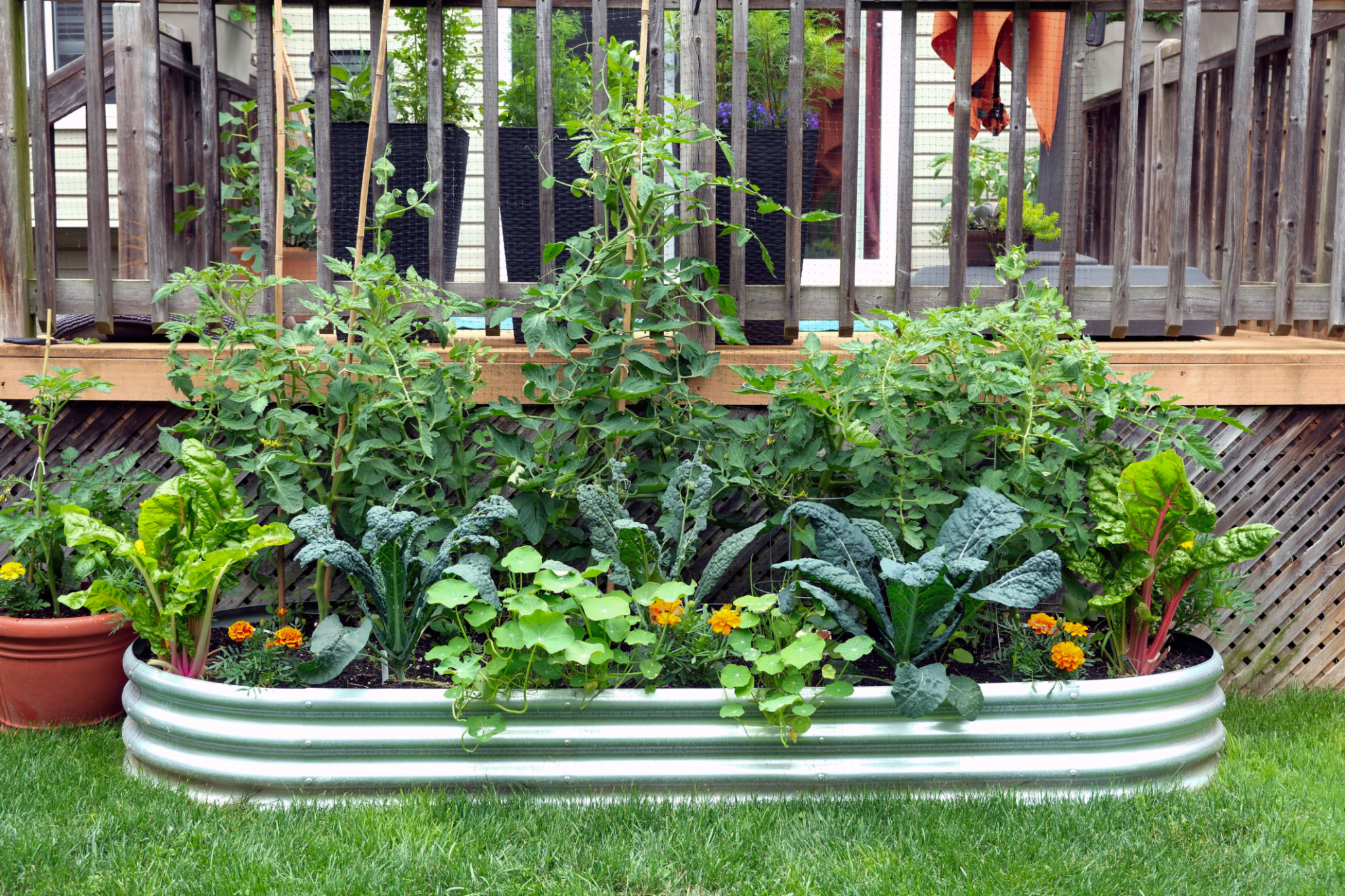
Urban environments often face space constraints, making vertical gardening a popular choice. By utilizing walls, trellises, and vertical planters, gardeners can maximize their space efficiently. This technique is ideal for growing climbers like beans, peas, and even tomatoes.
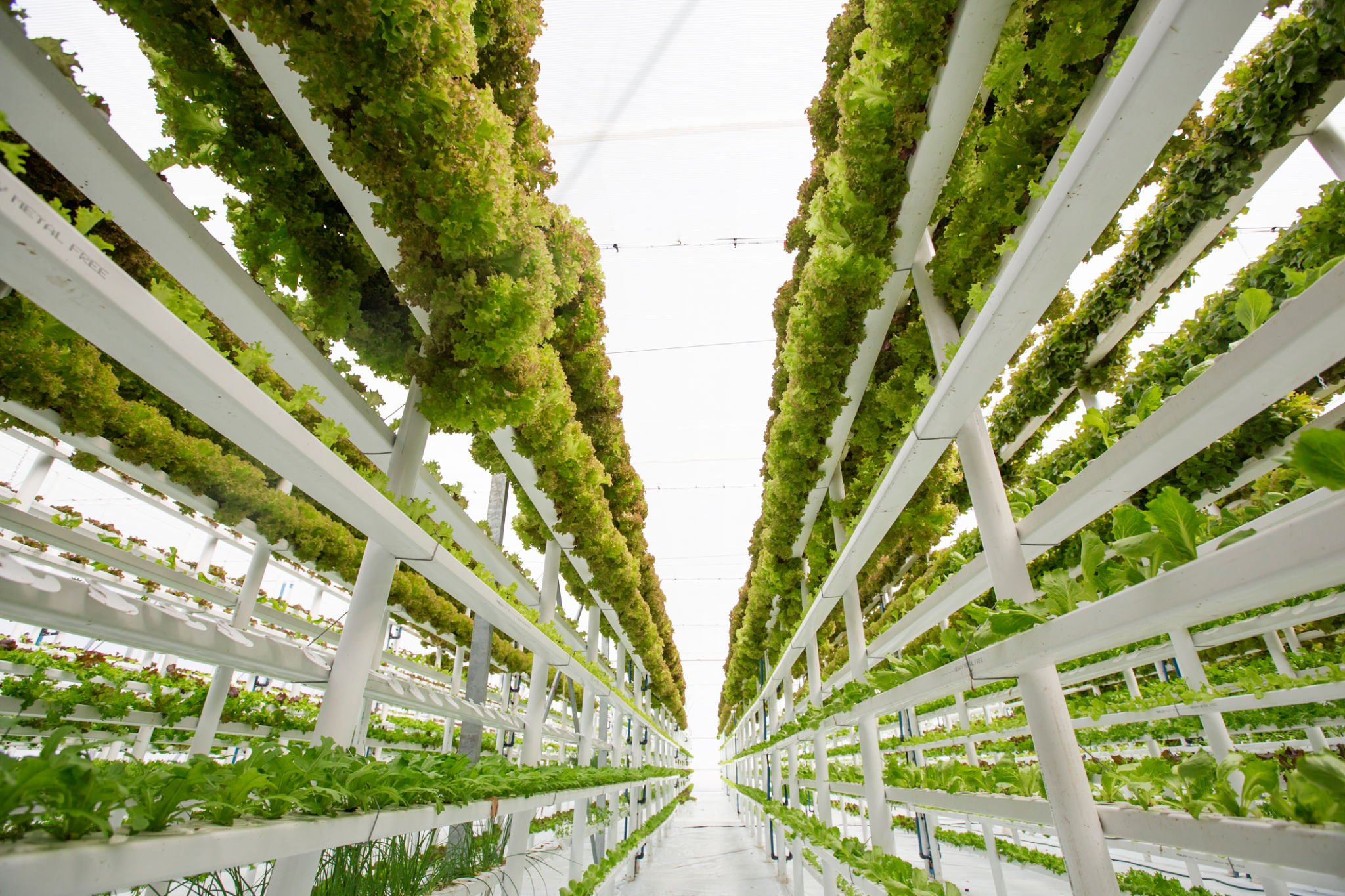
Hydroponics is another innovation gaining traction in edible landscaping. This soil-less method allows plants to grow in nutrient-rich water, making it a perfect solution for areas with poor soil quality. Hydroponic systems can be easily integrated into small spaces, providing fresh produce year-round.
Incorporating Native Edibles
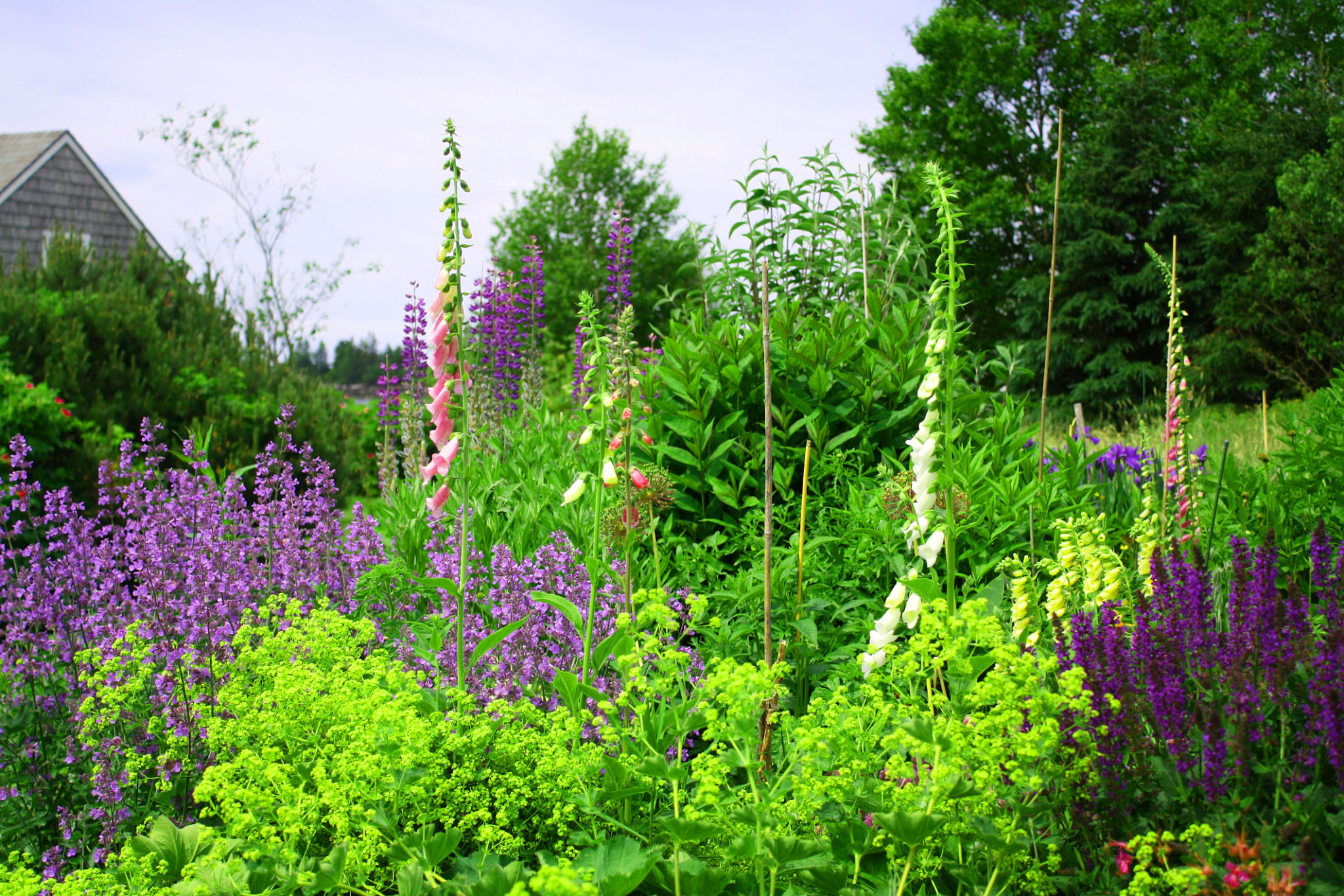
Native plants are adapted to local climates and require less maintenance, making them excellent choices for sustainable landscaping. By incorporating native edibles such as wild berries, herbs, and nuts, gardeners can create ecosystems that support local wildlife while enjoying a bountiful harvest.
These plants often possess unique flavors and nutritional benefits, offering a diverse range of ingredients for home-cooked meals. Utilizing native species also helps preserve regional biodiversity and reduces reliance on imported produce.
Innovative Plant Combinations
Combining plants that complement each other can enhance both the productivity and visual appeal of a garden. Companion planting is a technique where certain plants are grown together to improve growth, deter pests, or enhance flavor.
For example, planting marigolds alongside vegetables can naturally repel pests, while basil can enhance the growth and flavor of tomatoes. These combinations not only optimize space but also encourage a healthy and harmonious garden ecosystem.
Functional Aesthetics and Design
Edible landscaping is not just about functionality; it's also about creating visually appealing gardens. Incorporating edible plants with different textures, colors, and heights can transform a garden into a dynamic and engaging space.
Design elements such as raised beds, decorative trellises, and themed plant groupings can enhance the aesthetic appeal while maintaining productivity. This approach allows gardeners to express creativity and personalize their outdoor spaces.

Community and Educational Gardens
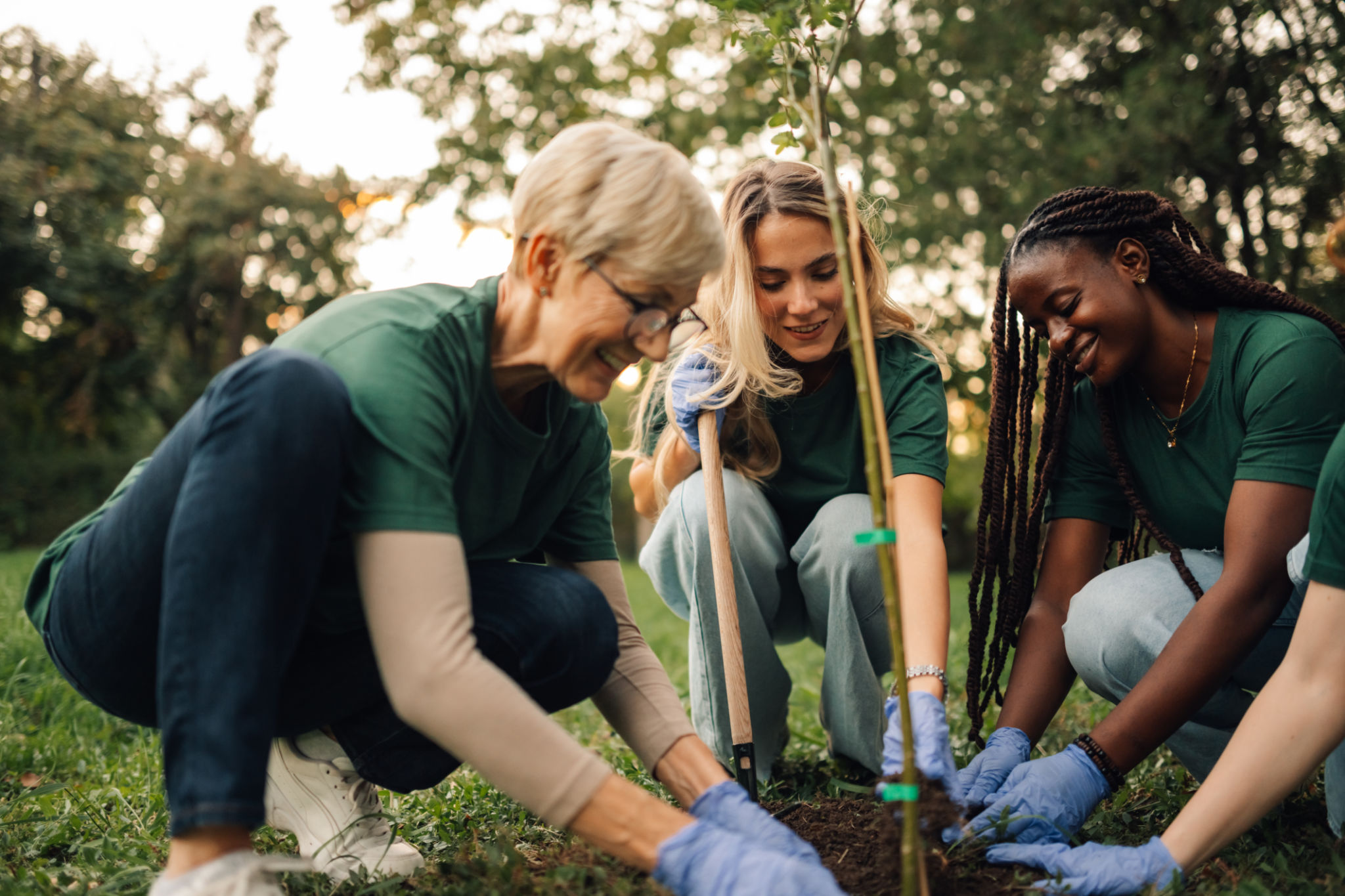
The edible landscaping trend extends beyond individual gardens to community and educational projects. Community gardens provide shared spaces for growing food, fostering social connections, and promoting sustainability.
Educational gardens in schools and public spaces serve as living classrooms, teaching children and adults about horticulture, nutrition, and environmental stewardship. These gardens inspire future generations to appreciate and engage with nature.