The Benefits of Having an Edible Home Garden: Health, Savings, and Sustainability


Health Benefits of an Edible Home Garden
Growing your own food at home provides numerous health advantages. Homegrown produce is often fresher and retains more nutrients than store-bought alternatives. When you pick fruits and vegetables at their peak ripeness, you enjoy a richer flavor and higher vitamin content. Additionally, gardening is a great form of exercise, helping you stay active and fit.
Another significant health benefit is the ability to control what goes into your food. By growing your own produce, you can avoid harmful pesticides and synthetic fertilizers, ensuring that your meals are as natural as possible. This is particularly beneficial for families with children, who are more susceptible to the effects of chemical residues.
Financial Savings Through Home Gardening
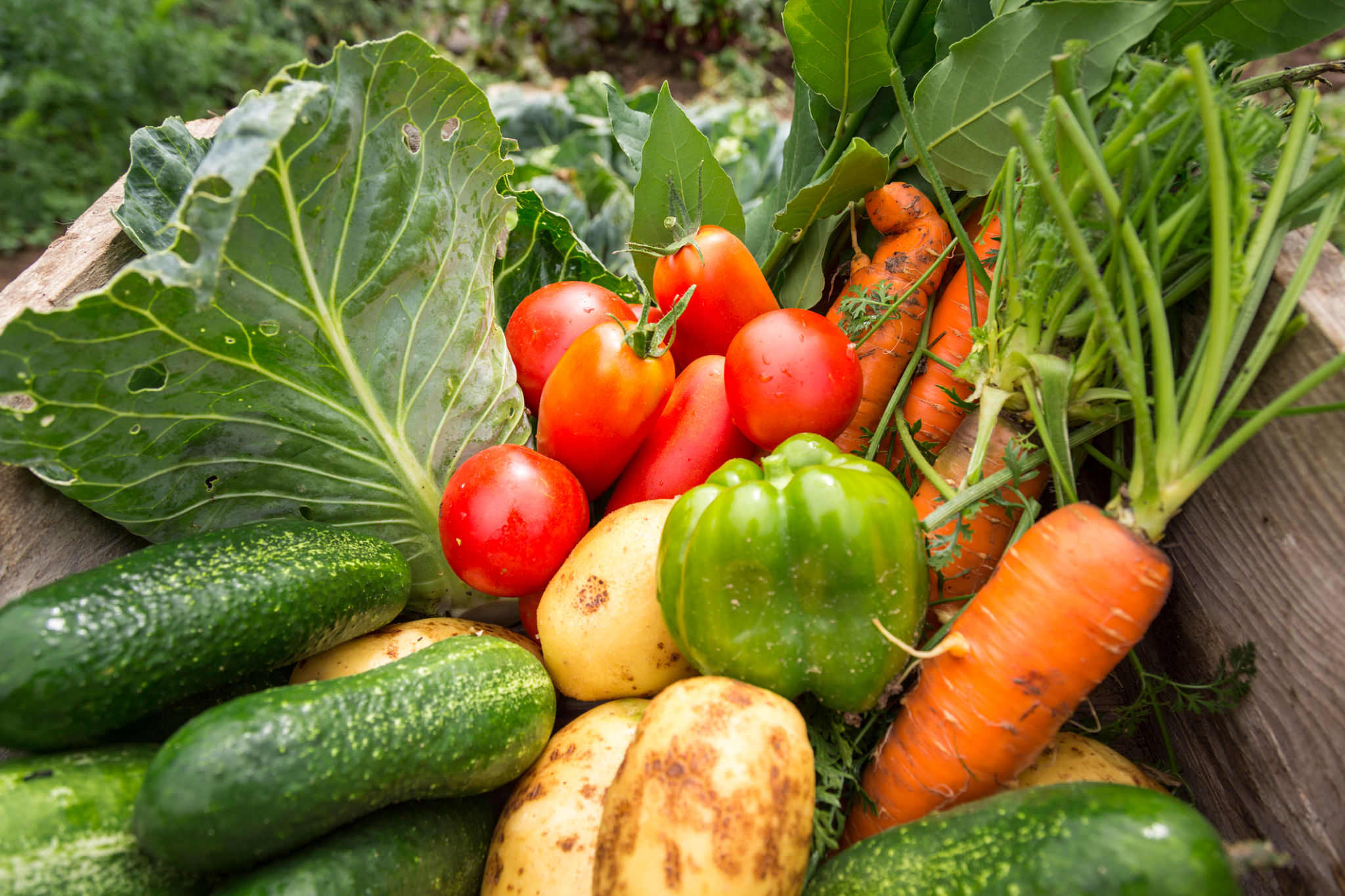
One of the most compelling reasons to start an edible home garden is the potential for cost savings. While there is an initial investment in seeds, soil, and tools, the long-term savings can be substantial. By growing your own fruits and vegetables, you reduce your grocery bill significantly, especially during peak harvest seasons.
Moreover, preserving and storing excess produce can extend your savings throughout the year. Techniques such as canning, freezing, and drying enable you to enjoy your garden's bounty long after the growing season has ended.

How to Maximize Your Garden's Yield
To maximize your garden's yield and savings, consider planting a variety of crops that mature at different times. This ensures a continuous supply of fresh produce. Also, focus on high-yield vegetables like tomatoes, zucchini, and lettuce, which can provide a significant return on investment.
Sustainability and Environmental Impact
Edible home gardens contribute positively to the environment. By reducing the need for transportation and packaging of store-bought produce, you lower your carbon footprint. Additionally, you can practice sustainable gardening techniques such as composting and rainwater harvesting to further minimize environmental impact.
Gardening also supports biodiversity. By cultivating a variety of plants, you attract beneficial insects and pollinators, which are crucial for a healthy ecosystem. This, in turn, fosters a more resilient and thriving garden environment.
Promoting Community and Well-being
Beyond personal benefits, edible home gardens can enhance community connections. Sharing surplus produce with neighbors or participating in local gardening clubs fosters a sense of community and cooperation. Gardening can also be a therapeutic activity, reducing stress and promoting mental well-being.
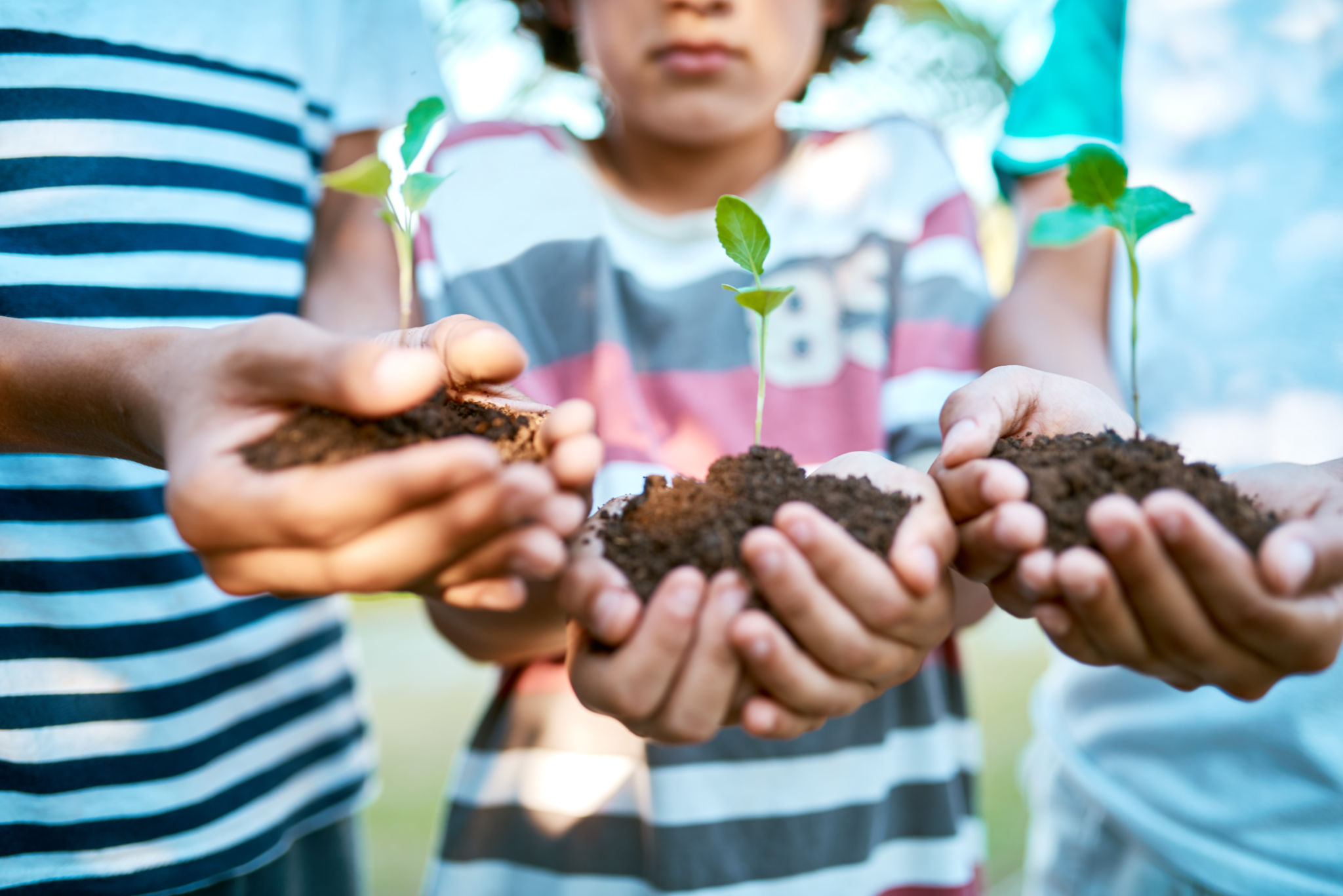
Incorporating children in gardening activities is an excellent way to teach them about nature and the importance of food sustainability. It instills a sense of responsibility and appreciation for the environment from a young age.

Conclusion: A Rewarding Endeavor
Creating an edible home garden is a rewarding endeavor that offers numerous benefits. From improving health and saving money to promoting sustainability and community, the advantages are clear. Whether you have a large yard or a small balcony, starting a garden is a step towards a healthier, more sustainable lifestyle.