Sustainable Gardening Solutions for Beginners: Start Your Edible Garden


Getting Started with Sustainable Gardening
Embarking on the journey of sustainable gardening can be both rewarding and environmentally friendly. Whether you have a sprawling backyard or a small balcony, creating an edible garden is a fulfilling way to contribute to a greener planet. By adopting sustainable practices, you not only grow your own food but also reduce your carbon footprint.
For beginners, the key is to start small and gradually expand as you gain confidence. This approach ensures that you learn and adapt without feeling overwhelmed. Let's explore some essential tips to help you cultivate a thriving edible garden.
Choosing the Right Plants
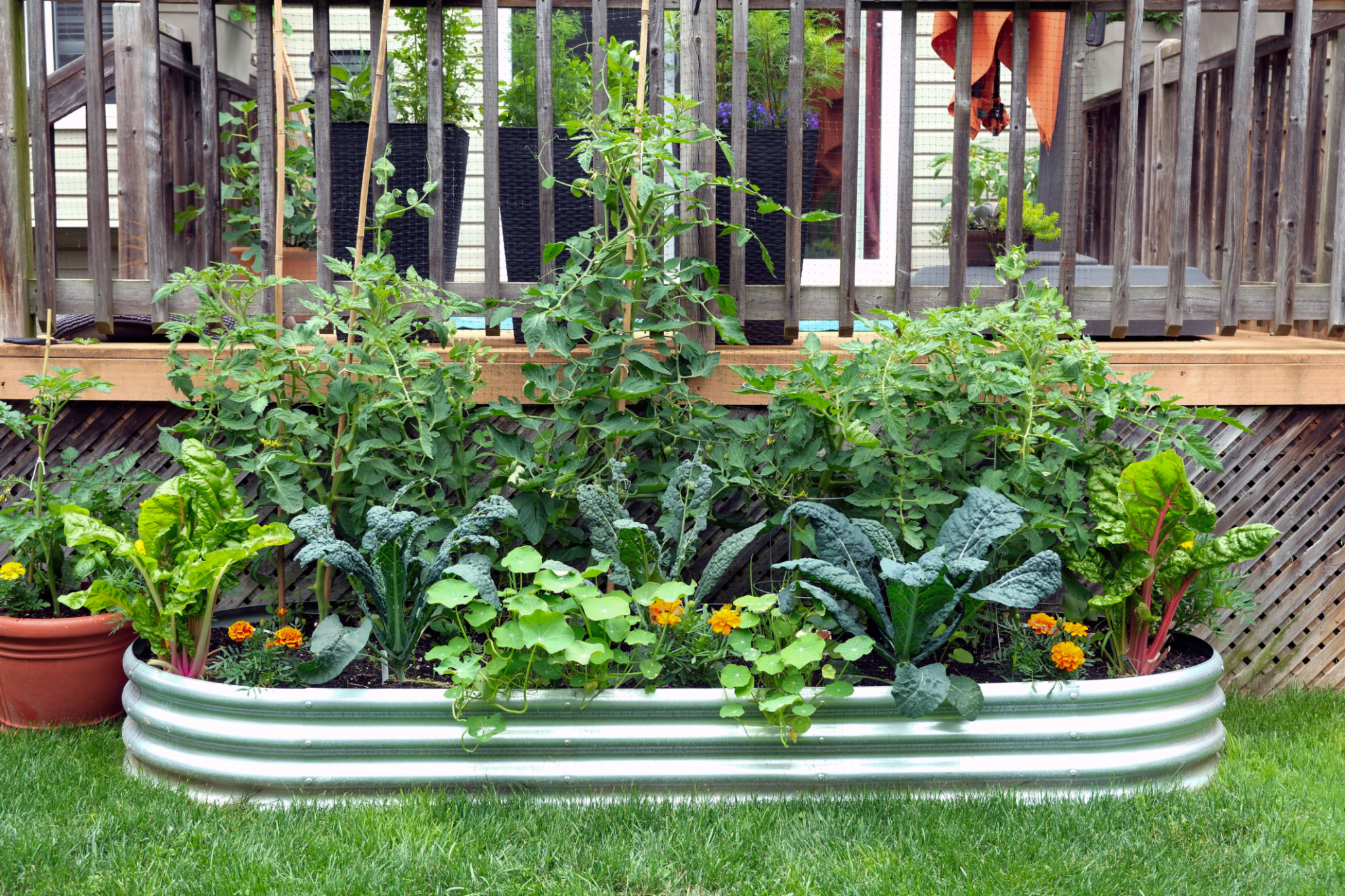
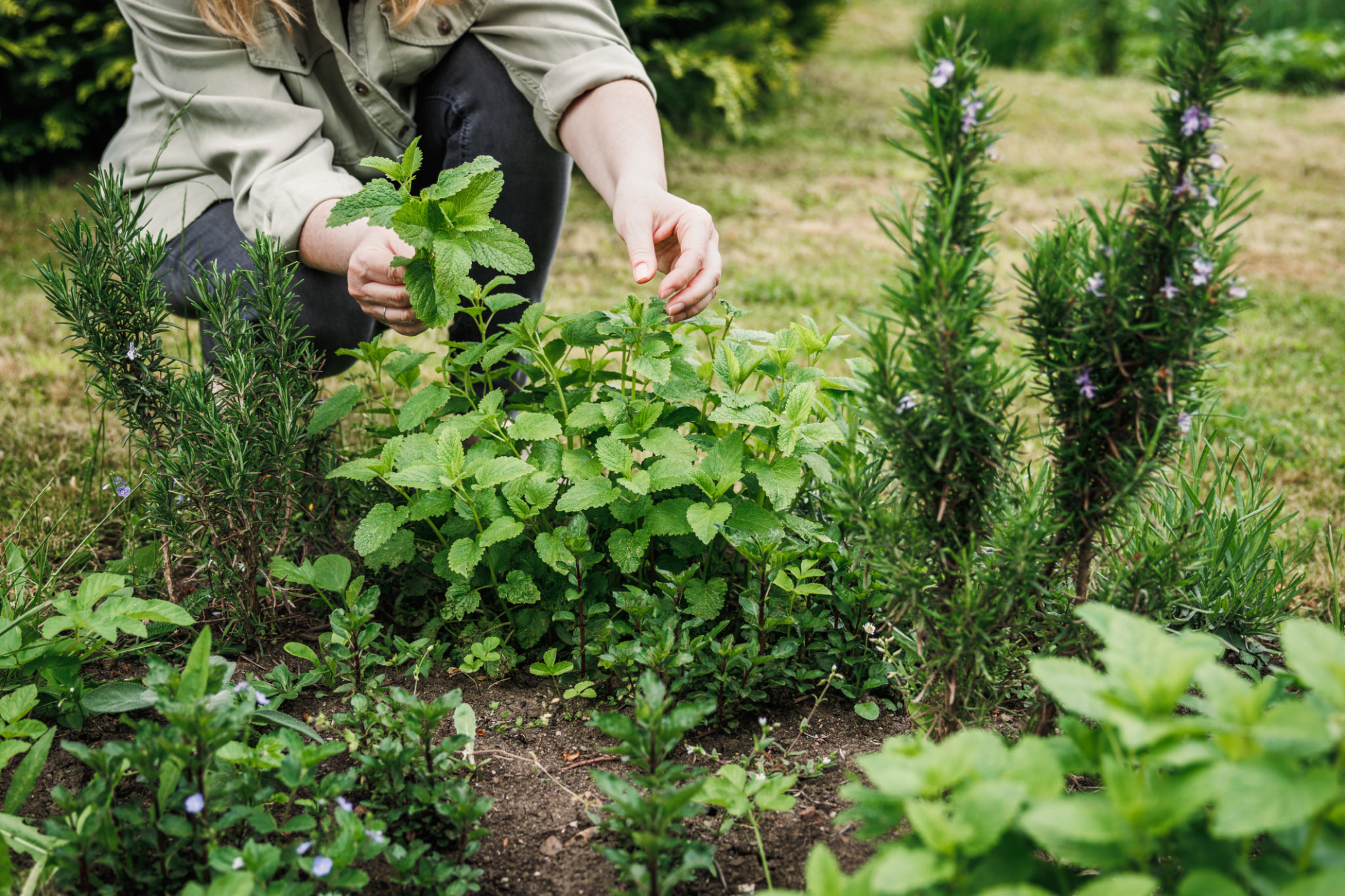
One of the first steps in sustainable gardening is selecting the right plants. Opt for native or drought-resistant varieties, as they require less water and care. Herbs like basil, rosemary, and thyme are excellent choices for beginners. Not only are they easy to grow, but they also add flavor to your meals.
Consider your climate and the amount of sunlight your garden space receives. Leafy greens such as lettuce and spinach thrive in cooler climates, while tomatoes and peppers prefer warmer conditions.
Soil Health and Composting
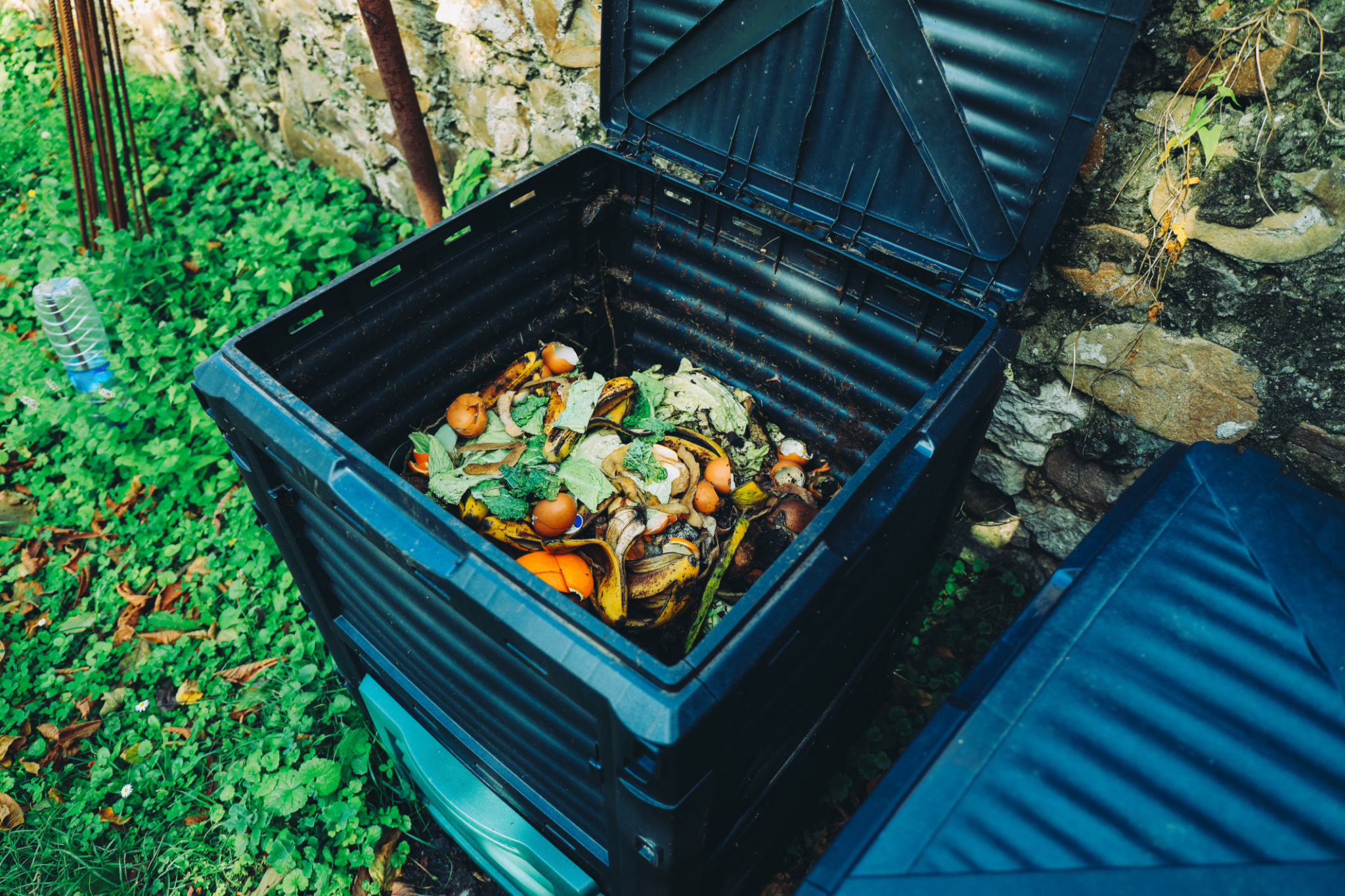
The foundation of any successful garden is healthy soil. Instead of using chemical fertilizers, enrich your soil naturally with compost. Composting is a sustainable practice that recycles kitchen scraps and yard waste into nutrient-rich soil. It's an excellent way to reduce waste and enhance soil fertility.
To start composting, maintain a balance between green materials (like vegetable peels) and brown materials (such as dried leaves). Ensure your compost pile remains moist and aerated by turning it regularly.
Water Conservation Techniques
Water is a precious resource, and conserving it is vital for sustainable gardening. Implementing water-saving techniques not only benefits the environment but also reduces your water bill. Consider installing a rain barrel to collect rainwater for irrigation.
Drip irrigation systems are another effective method for reducing water usage. These systems deliver water directly to the plant roots, minimizing evaporation and ensuring efficient water use.
Natural Pest Control
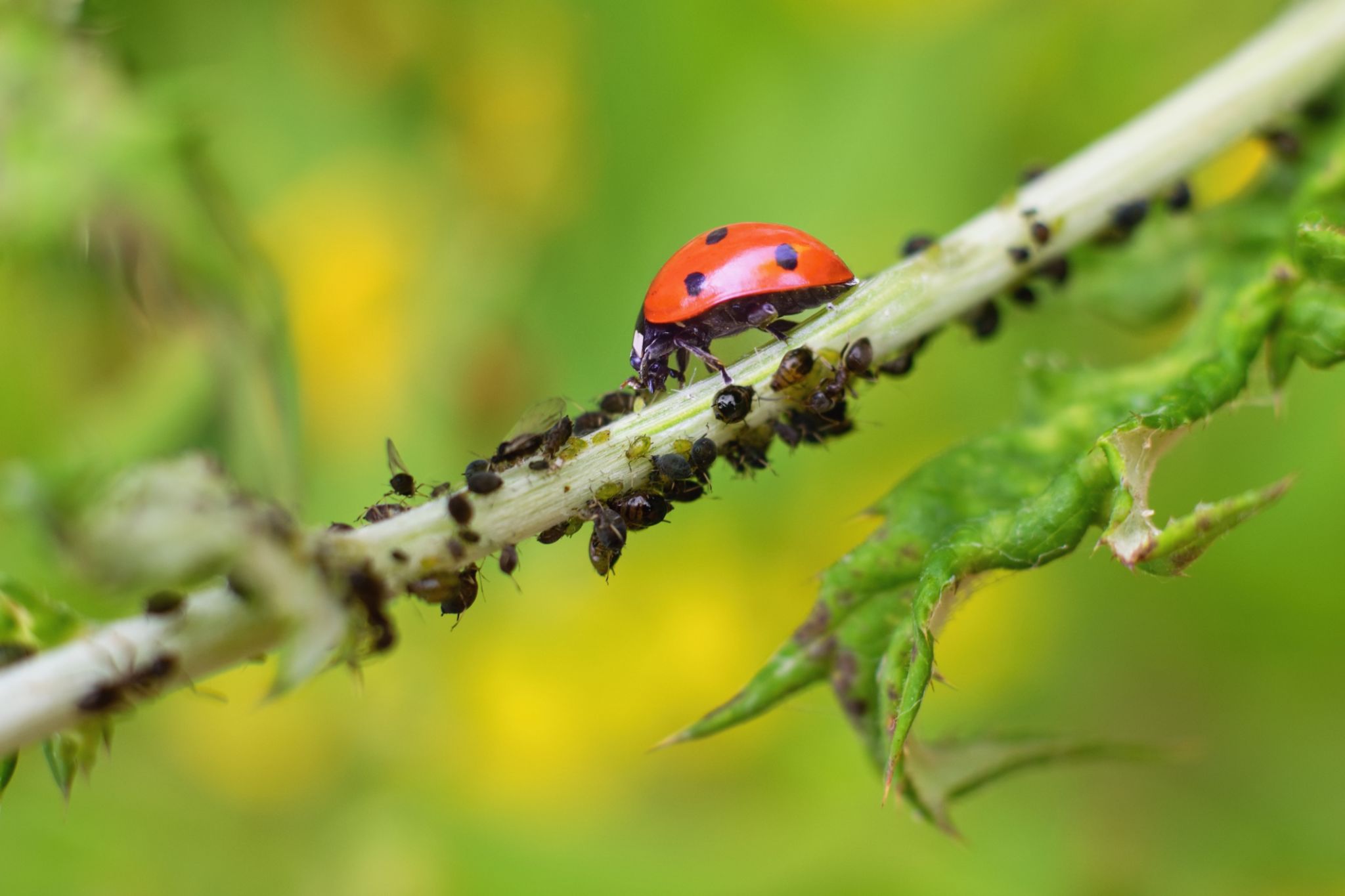
Maintaining a healthy garden means managing pests without resorting to harmful chemicals. Encourage beneficial insects like ladybugs and bees by planting flowers and herbs that attract them. These natural predators help keep pest populations in check.
Additionally, consider using homemade remedies like neem oil or soap sprays to deter common garden pests. These solutions are both effective and environmentally friendly.
Harvesting and Enjoying Your Bounty
Once your plants start producing, it's time to enjoy the fruits of your labor. Harvesting regularly encourages plants to produce more and prevents overripening. Freshly picked vegetables and herbs not only taste better but also provide maximum nutritional value.
Share your harvest with friends and family, or preserve it through canning or drying for future use. By enjoying your homegrown produce, you reinforce the sustainable cycle of your garden.

Conclusion
Starting a sustainable edible garden is an enriching experience that connects you with nature while promoting environmental responsibility. By incorporating these beginner-friendly practices, you can cultivate a garden that is both productive and sustainable.
Remember, the journey is as important as the destination. Enjoy each step, and with time, your garden will flourish, providing you with fresh produce and a sense of accomplishment.