Success Stories: Transforming Backyards with Edible Gardens


The Rise of Edible Gardens
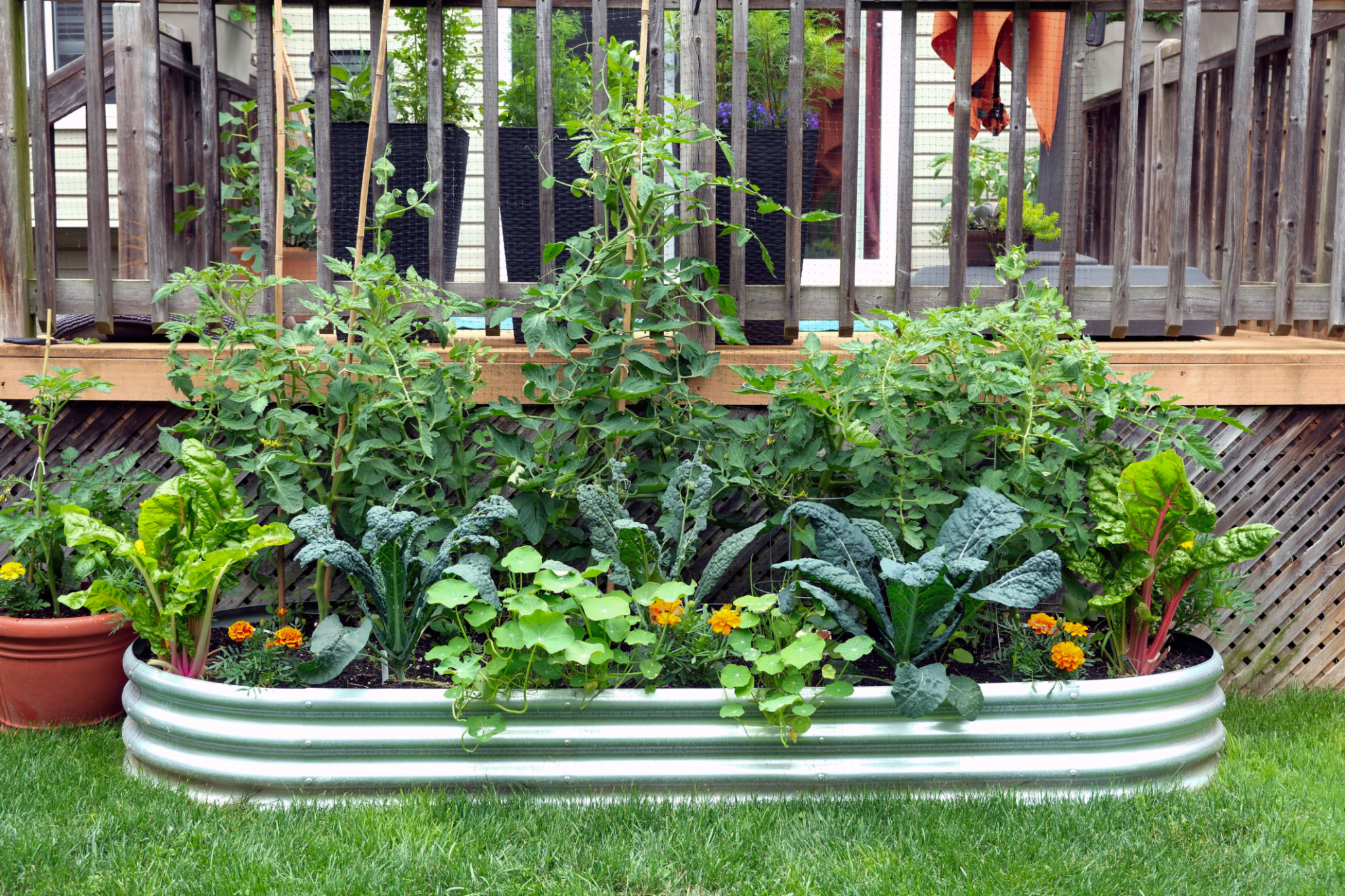
In recent years, the trend of transforming backyards into edible gardens has gained significant momentum. More homeowners are choosing to cultivate their own fruits, vegetables, and herbs, turning their outdoor spaces into lush, productive landscapes. This shift not only provides fresh, organic produce but also enhances the beauty and biodiversity of the area.
Why Choose Edible Gardens?
The appeal of edible gardens lies in their numerous benefits. First and foremost, they offer a sustainable way to access fresh produce. By growing your own food, you can ensure it is free from harmful pesticides and chemicals. Additionally, edible gardens contribute to reducing your carbon footprint, as the need for transporting produce from farm to table is eliminated.
Moreover, these gardens provide a therapeutic and rewarding hobby. Gardening is known to reduce stress and promote mental well-being. The process of nurturing plants and watching them grow can be incredibly fulfilling.
Planning Your Edible Garden
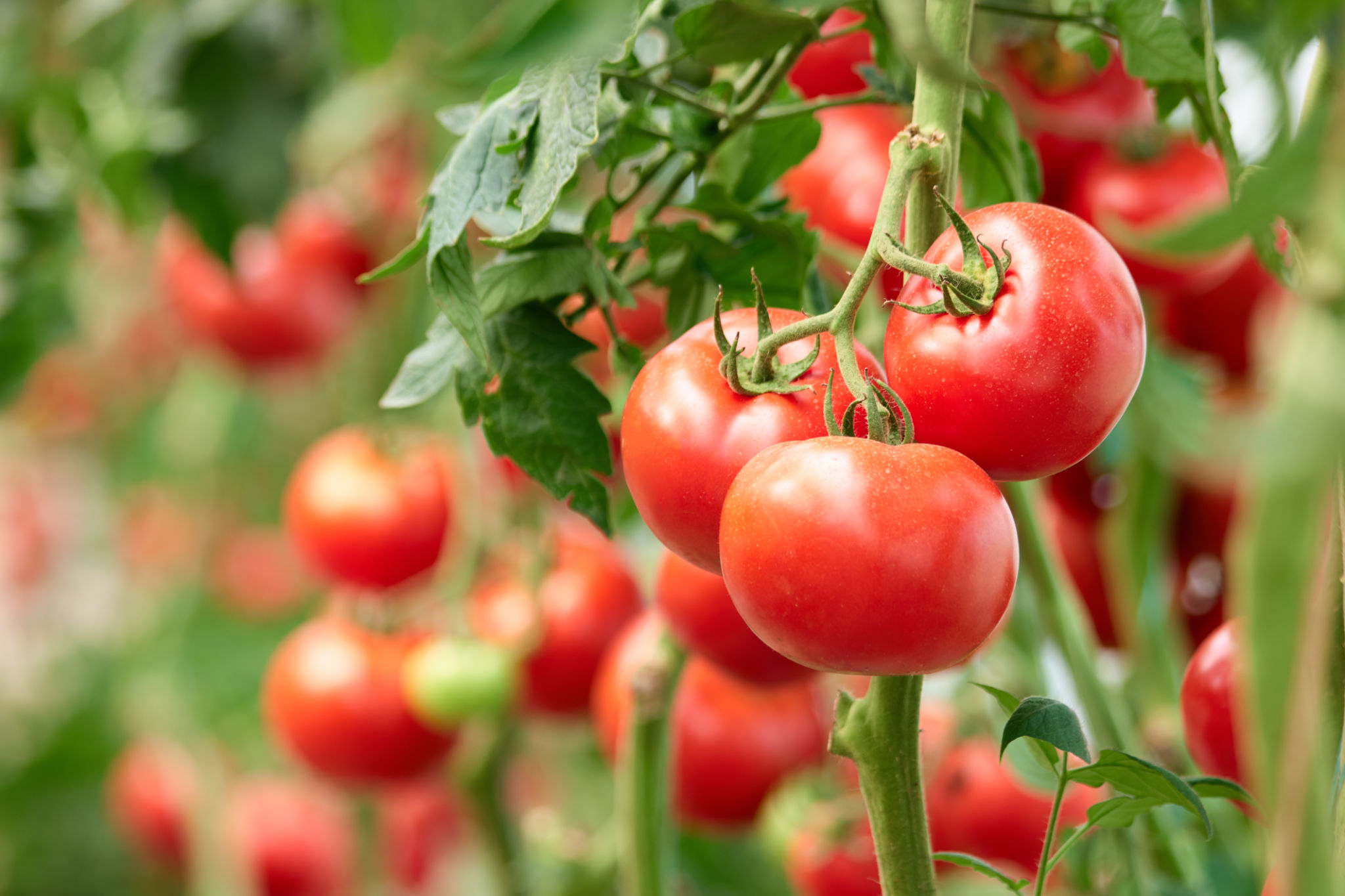
Creating an edible garden involves careful planning. Start by assessing the available space and sunlight in your backyard. Most fruits and vegetables require at least six hours of direct sunlight daily. Next, consider the types of plants you wish to grow. Popular choices include tomatoes, peppers, lettuce, and herbs like basil and mint.
It's essential to choose plants that are suitable for your climate and soil type. Conduct a soil test to determine any necessary amendments. Raised beds and containers can be excellent options for those with limited space or poor soil quality.
Success Stories from Homeowners
Many homeowners have successfully transformed their backyards into thriving edible gardens. One such story is that of the Williams family, who turned a small patch of lawn into a productive vegetable garden. They now enjoy a variety of fresh produce throughout the year, significantly reducing their grocery bills.
Another inspiring example is Lisa, a city dweller who converted her balcony into a herb garden. Despite the limited space, she grows enough herbs to support her culinary adventures, sharing her bounty with friends and family.

Tips for Maintaining Your Garden
Maintenance is crucial for the success of an edible garden. Regular watering, weeding, and pruning are essential tasks. Consider implementing a composting system to enrich the soil with nutrients. Additionally, natural pest control methods, such as introducing beneficial insects, can help protect your plants.
It's also beneficial to rotate crops each season to prevent soil depletion and reduce the risk of pests and diseases. Keeping a gardening journal to track your plants' progress and any issues that arise can be a helpful practice.
Conclusion: A Growing Movement
The transformation of backyards into edible gardens is more than just a trend; it reflects a growing movement towards sustainability and self-sufficiency. Whether you have a sprawling yard or a small balcony, the opportunity to cultivate your own food is within reach. By sharing success stories and tips, we can inspire more people to embrace this rewarding lifestyle.
As we continue to face environmental challenges, edible gardens offer a practical solution that benefits both individuals and the planet. Start small, experiment, and enjoy the fruits of your labor—literally!