Seasonal Guide: Preparing Your Edible Garden for Spring Planting


Assessing Your Garden Space
As the chill of winter begins to fade, it's time to turn your attention to your garden and start preparing for spring planting. The first step is to assess your garden space. Take note of areas that receive optimal sunlight, as well as those that might need additional care. Consider the size of your garden and how you can best utilize the space for various crops.

Check the soil quality in your garden. A simple soil test can reveal important information about nutrient levels and pH balance. This will help you determine what amendments might be necessary to create a thriving environment for your plants.
Clearing and Cleaning
Before planting, it's essential to clear away any debris left over from the winter months. Remove dead leaves, old plant material, and weeds that could compete with your new plants. This will also help prevent diseases and pests from taking hold in your garden.
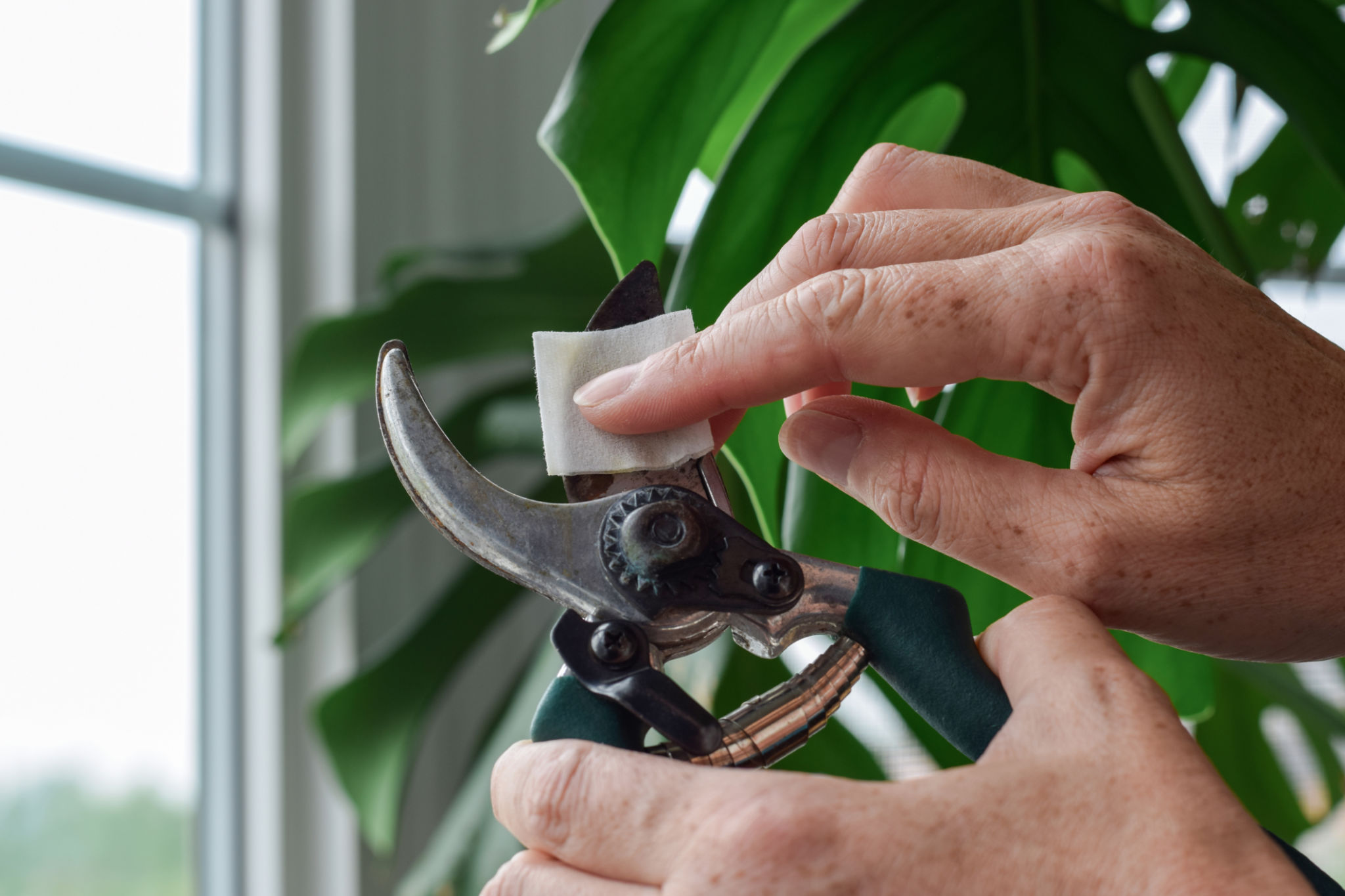
Once your garden is cleared, give your tools and equipment a good cleaning. Sharp and clean tools make gardening tasks easier and more effective.
Planning Your Planting
With your garden space ready, it's time to plan what you want to plant. Consider the types of vegetables, herbs, and fruits that thrive in your climate. Some popular spring options include tomatoes, peppers, lettuce, and carrots.
Create a planting schedule based on the frost dates in your area. This ensures that your plants have the best chance to grow strong and healthy. Use companion planting techniques to maximize yield and reduce pest issues.

Soil Preparation
Enrich your soil with organic matter such as compost or well-rotted manure. This not only improves soil structure but also provides essential nutrients for your plants. Turn the soil over with a spade or tiller to aerate it and mix in the organic matter thoroughly.
If your soil is too acidic or alkaline, consider adding lime or sulfur to adjust the pH. This creates a more hospitable environment for your plants to absorb nutrients effectively.
Starting Seeds Indoors
For a head start on the growing season, consider starting seeds indoors. This allows you to nurture young plants before they're ready to be transplanted outdoors. Choose seeds that can benefit from an early start, such as tomatoes and peppers.

Use seed trays with a good quality potting mix and provide adequate light and warmth. Once the seedlings have developed strong roots and several leaves, gradually harden them off by exposing them to outdoor conditions.
Watering and Mulching
Proper watering is crucial for a successful garden. Ensure your plants receive consistent moisture, especially during dry spells. Installing a drip irrigation system can help maintain even watering.
Mulching is another important step. Apply a layer of organic mulch around your plants to retain moisture, suppress weeds, and regulate soil temperature.

Pest and Disease Management
As your garden begins to grow, keep an eye out for pests and diseases. Implementing organic pest control methods, such as introducing beneficial insects or using natural repellents, can help keep your garden healthy.
Regularly inspect your plants for signs of trouble, and address issues promptly to prevent widespread damage. A healthy, well-maintained garden is less likely to experience severe pest and disease problems.
Maintaining Your Garden
Consistent care is key to a thriving garden. Regularly prune, weed, and check for any signs of nutrient deficiencies. Provide support for plants that need it, such as trellises or stakes for climbing plants.
By following these steps, you can ensure a bountiful harvest and enjoy the fruits of your labor throughout the growing season. Happy gardening!
