Myth-Busting Edible Gardens: Common Misconceptions and How to Avoid Them


Understanding Edible Gardens
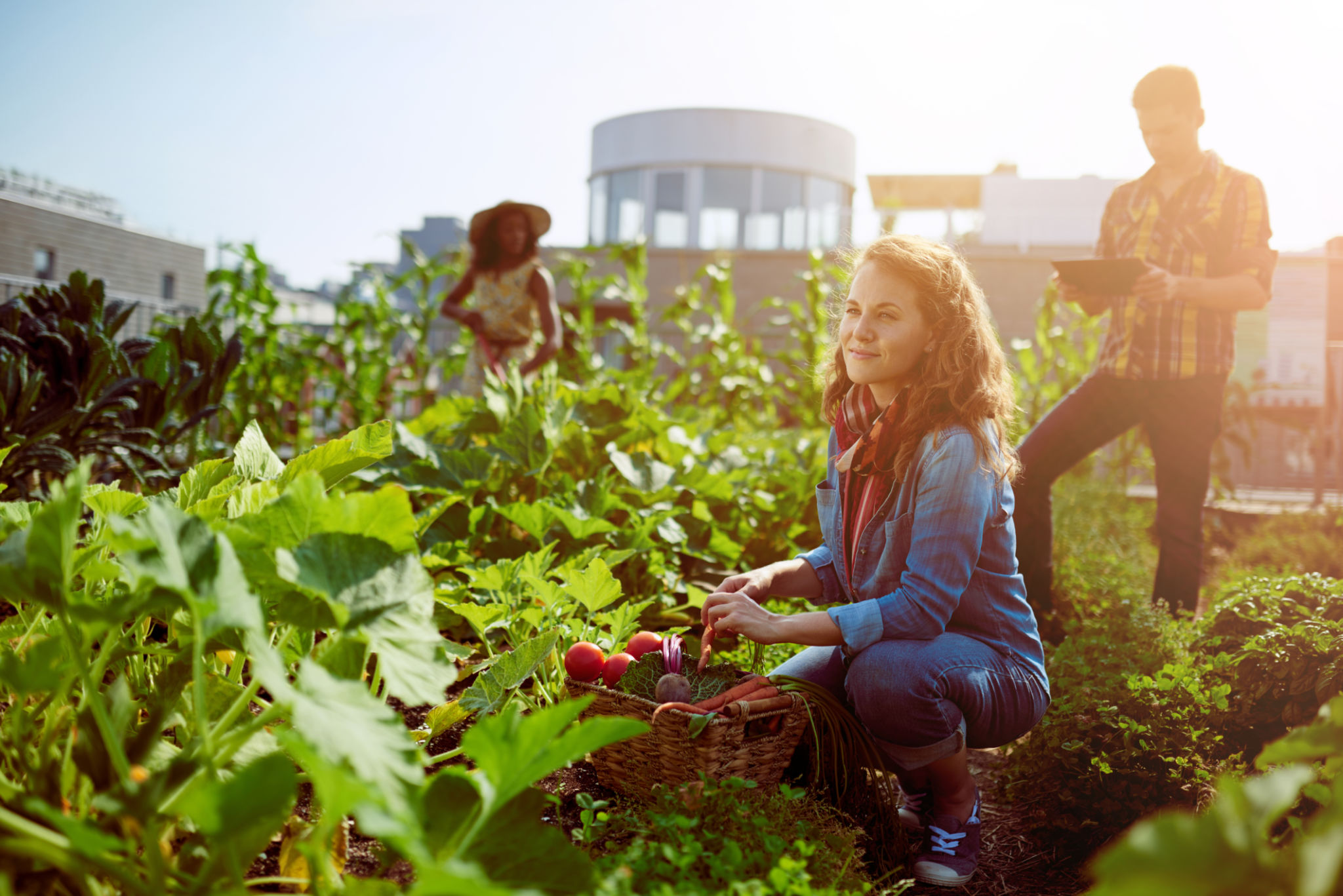
Edible gardens are becoming increasingly popular as more people seek sustainable and self-sufficient ways to source their food. However, several myths can deter individuals from starting their own edible gardens. By debunking these misconceptions, you can confidently embark on your gardening journey.
One common myth is that edible gardens require an extensive amount of space. This misconception often prevents urban dwellers from starting their own edible patches. In reality, you can grow a variety of fruits, vegetables, and herbs even in small spaces like balconies or windowsills.
Myth: Edible Gardens Are High Maintenance
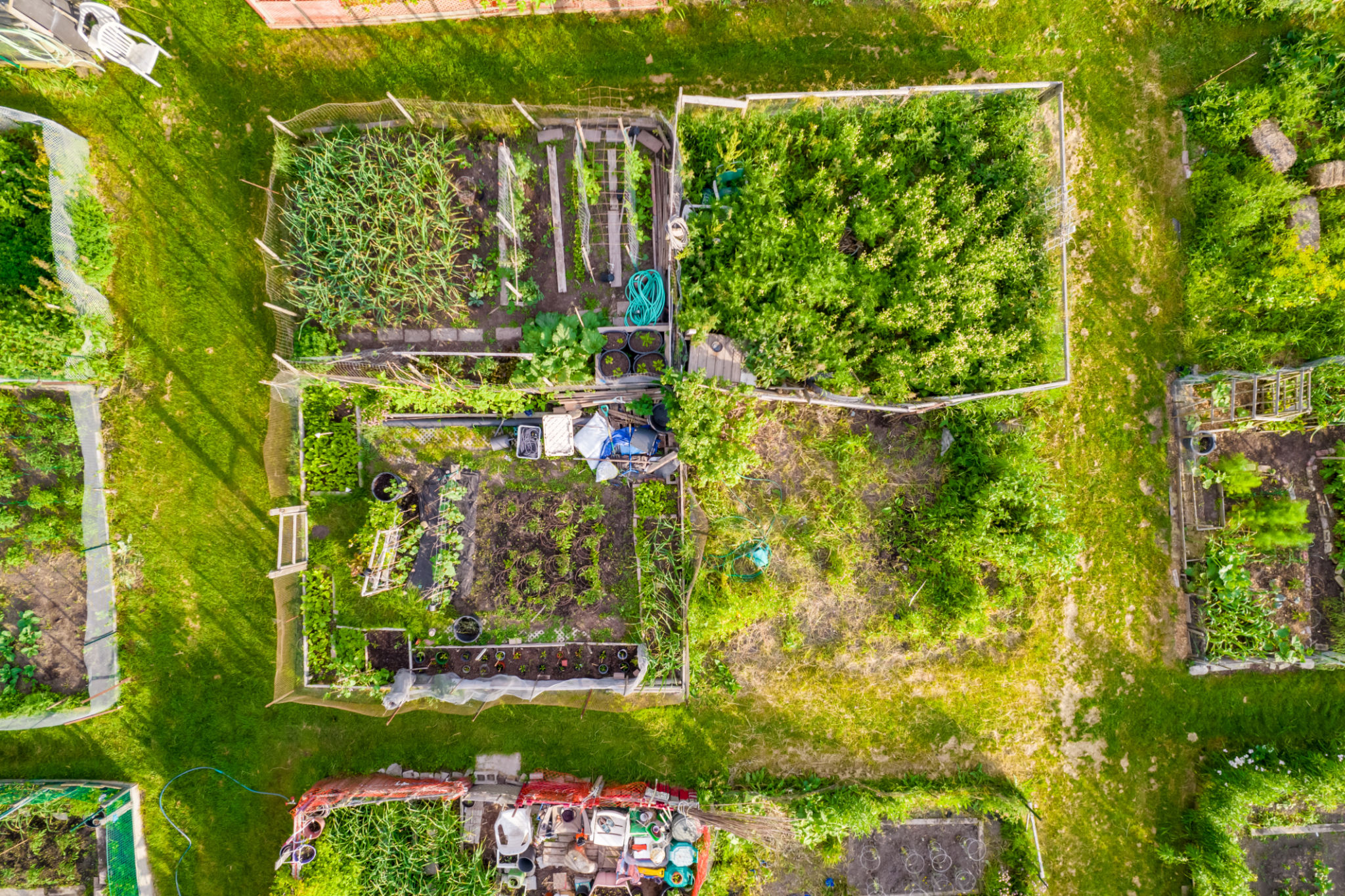
A prevalent belief is that edible gardens demand constant attention and care. While some maintenance is necessary, it doesn't have to be overwhelming. By choosing the right plants for your climate and using techniques like mulching, you can significantly reduce the time spent on upkeep.
Additionally, incorporating perennial plants that return each year can minimize the need for replanting. These plants often require less water and are more resistant to pests, making them a low-maintenance option for any garden.
Choosing the Right Plants
Selecting plants suitable for your environment is crucial. Consider factors such as sunlight, soil type, and local climate. By doing so, you'll ensure that your plants thrive with minimal intervention, making your garden both productive and easy to manage.

Myth: Edible Gardens Are Costly
Many people assume that starting an edible garden is an expensive venture. However, with a bit of planning, you can create a flourishing garden without breaking the bank. Start with seeds instead of mature plants, and consider swapping seeds with fellow gardeners to diversify your plant selection.
Investing in quality soil and compost can also significantly enhance plant growth without the need for costly fertilizers. Over time, your initial investments will pay off as you enjoy fresh produce from your garden.
Utilizing Recycled Materials
Another way to save money is by utilizing recycled materials for your garden. Old containers, pallets, and even household items can be repurposed as plant beds or trellises, reducing costs and environmental impact.

Myth: You Need to Be an Expert
Perhaps the most discouraging myth is that successful edible gardening requires expert knowledge. While understanding basic gardening principles is beneficial, there are numerous resources available for beginners. Online forums, local workshops, and gardening books can provide guidance and build your confidence.
Don't be afraid to experiment and learn from your experiences. Gardening is a continuous learning process, and each season offers new insights and opportunities for growth.
Building Community Connections
Engage with local gardening communities or online groups to exchange tips and advice. These communities can be invaluable for troubleshooting issues and gaining inspiration for your edible garden.