Myth-Busting: Common Misconceptions About Edible Gardening


Growing Your Own Food is Too Difficult
Many people believe that starting an edible garden is a daunting task reserved for those with a green thumb. However, this is far from the truth. With the right guidance and a little patience, anyone can cultivate a thriving garden. Begin by selecting easy-to-grow plants like lettuce, radishes, or herbs. These options require minimal maintenance and offer quick rewards, making them perfect for beginners.
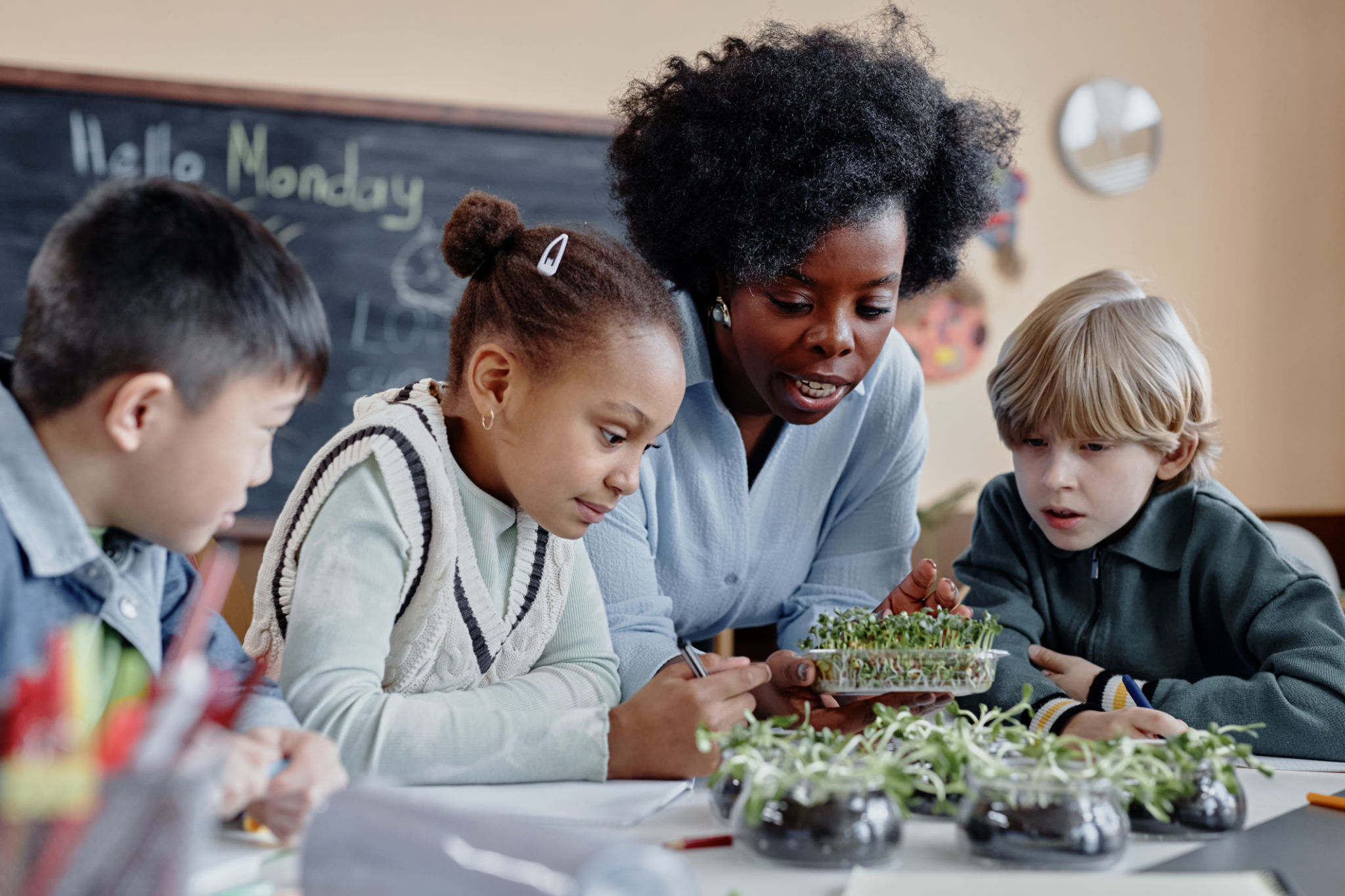
Additionally, technology has made gardening more accessible than ever. Numerous apps and online resources provide step-by-step instructions tailored to your specific region and climate. By leveraging these tools, you can ensure that your garden receives the care it needs to flourish.
Edible Gardens Require a Lot of Space
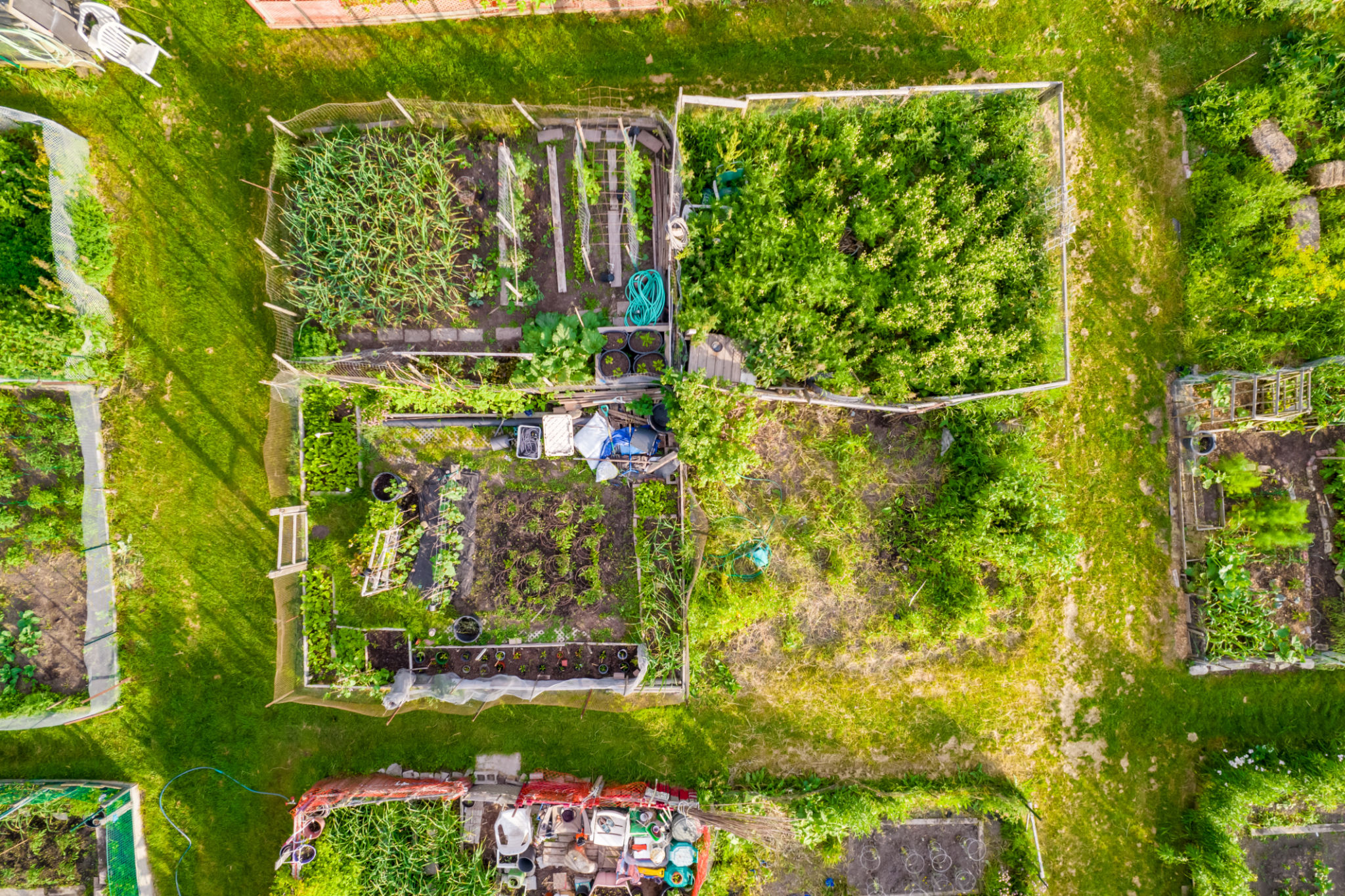
A common misconception is that you need a sprawling backyard to grow your own food. In reality, many plants thrive in small spaces, and urban gardening has become increasingly popular. By using containers, vertical gardens, or raised beds, you can maximize your growing area, even in the smallest of spaces.
Consider plants like cherry tomatoes or strawberries, which adapt well to confined environments. Vertical gardening techniques, such as trellises or wall-mounted planters, can also help you make the most of limited space.
Container Gardening
Container gardening is an excellent solution for those with limited space. By using pots or planters, you can grow a wide variety of vegetables and herbs on balconies, patios, or windowsills. Ensure your containers have proper drainage and select the right soil mix to support healthy plant growth.
Edible Gardening is Expensive
Another myth is that starting an edible garden requires a significant financial investment. While there are costs involved, gardening can be done on a budget. Begin by purchasing seeds instead of starter plants, which are typically cheaper and offer more variety.
Repurposing household items as gardening tools or containers can also help reduce costs. For example, egg cartons can be used to start seeds, and old buckets can serve as planters. By being resourceful, you can create a thriving garden without breaking the bank.
Saving Money Over Time
While there may be initial costs, growing your own food can save you money in the long run. By harvesting fresh produce from your garden, you'll spend less on grocery store fruits and vegetables. Moreover, gardening provides the added benefit of controlling what goes into your food, ensuring it's free from harmful pesticides and chemicals.
Edible Gardening is Only for Warm Climates
Many people believe that gardening is only feasible in warm climates. However, with the right techniques, you can grow food in almost any environment. Cold frames, greenhouses, and indoor gardening setups allow you to extend your growing season and cultivate plants year-round.
Choosing the right varieties for your climate is crucial. Look for cold-tolerant plants like kale, spinach, and carrots, which can withstand cooler temperatures. By selecting the appropriate crops, you can enjoy fresh produce no matter where you live.
