Local Community Benefits of Edible Gardens: Burlington, NJ Edition


Introduction to Edible Gardens
Edible gardens are transforming communities by providing fresh produce, enhancing local ecosystems, and bringing people together. In Burlington, NJ, these gardens are becoming a cornerstone of community life, offering numerous benefits that extend beyond simple nutrition.
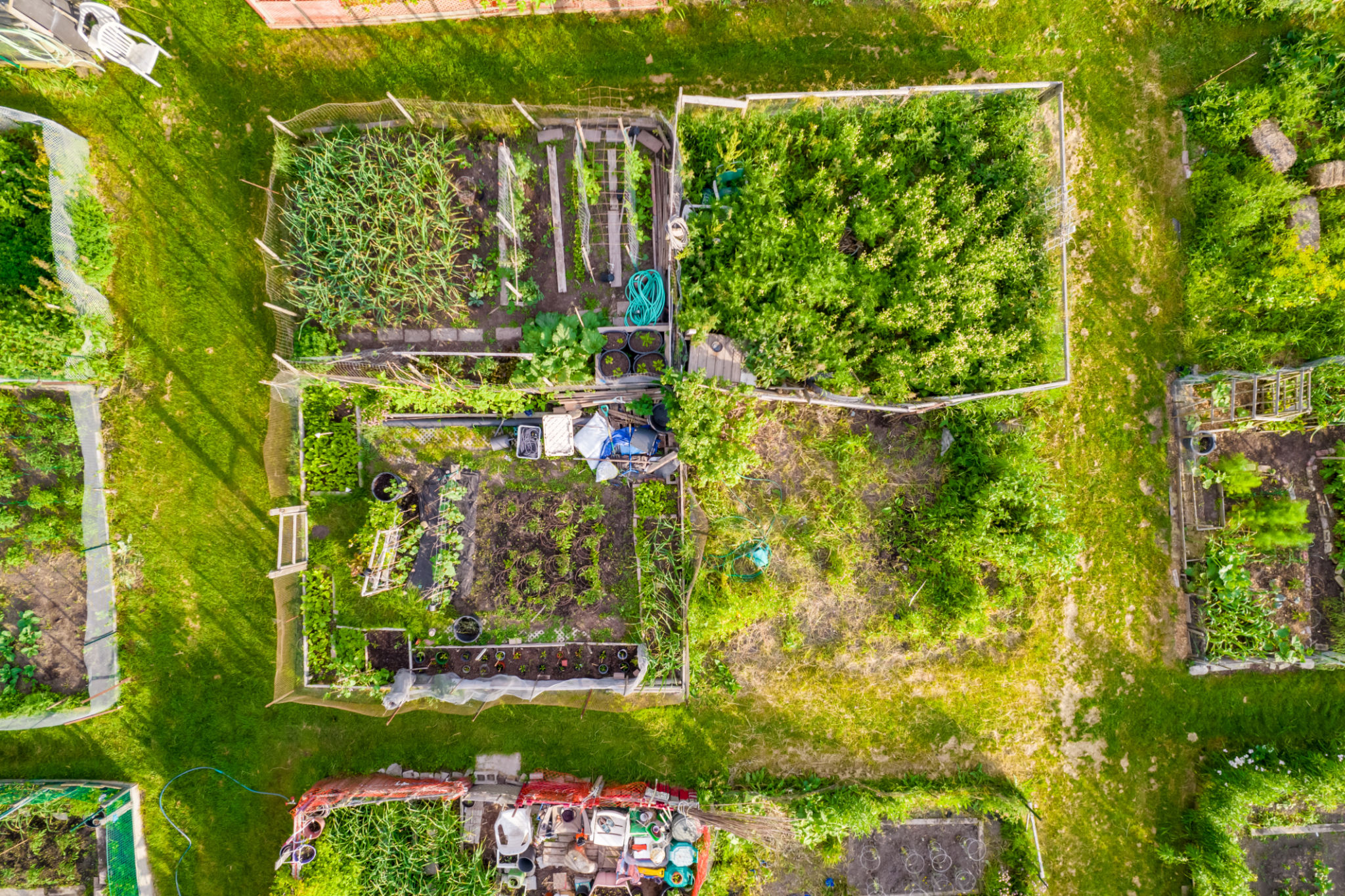
Burlington's residents are embracing the concept of growing their own food, and the results are visible throughout the town. From backyard plots to community spaces, these gardens are flourishing.

Health and Wellness Benefits
One of the most significant advantages of edible gardens is their contribution to health and wellness. By growing fruits and vegetables, residents have easy access to fresh, organic produce. This not only promotes healthier eating habits but also reduces reliance on store-bought goods that may contain preservatives and chemicals.
Gardening is also a great way to stay active. The physical activity involved in planting, watering, and harvesting provides a form of exercise that benefits both the body and mind.
Environmental Impact
Edible gardens play a crucial role in enhancing local ecosystems. They attract beneficial insects, improve soil health, and reduce carbon footprints by minimizing transportation needs for produce. In Burlington, these gardens are helping to create a greener, more sustainable environment.
Reduction in Waste
By growing their own food, Burlington residents are also reducing food waste. Homegrown produce can be harvested as needed, preventing spoilage and ensuring that nothing goes to waste.
Community Building
Beyond health and environmental benefits, edible gardens are fostering a sense of community. In Burlington, neighbors are coming together to share knowledge, resources, and labor. Community gardens are becoming social hubs where people of all ages can connect and collaborate.

Educational Opportunities
These gardens are also serving as educational spaces. Schools and local organizations in Burlington are using them to teach children about biology, ecology, and the importance of sustainable practices.
Economic Advantages
Edible gardens can also provide economic benefits. By reducing the need to purchase produce, families save money. Additionally, surplus produce can be sold at local farmers' markets, generating income and supporting the local economy.
In Burlington, community garden initiatives are even creating job opportunities in gardening, education, and maintenance, further boosting the local economy.
Conclusion
The rise of edible gardens in Burlington, NJ, is a testament to their multifaceted benefits. From improving health and fostering community spirit to enhancing sustainability and providing economic opportunities, these gardens are making a positive impact on local life.
As more residents embrace this movement, Burlington continues to blossom into a vibrant, healthy, and connected community.