How to Design Your Perfect Edible Garden: A Step-by-Step Guide


Introduction to Edible Gardening
Creating your own edible garden is a rewarding way to blend beauty and utility. With a well-thought-out plan, you can enjoy fresh produce right from your backyard. Whether you're a seasoned gardener or a beginner, designing the perfect edible garden is within your reach.
Start by envisioning your ideal garden, considering factors like size, location, and the types of plants you want to grow. This guide will walk you through the essential steps to create a flourishing edible garden.
Choosing the Right Location
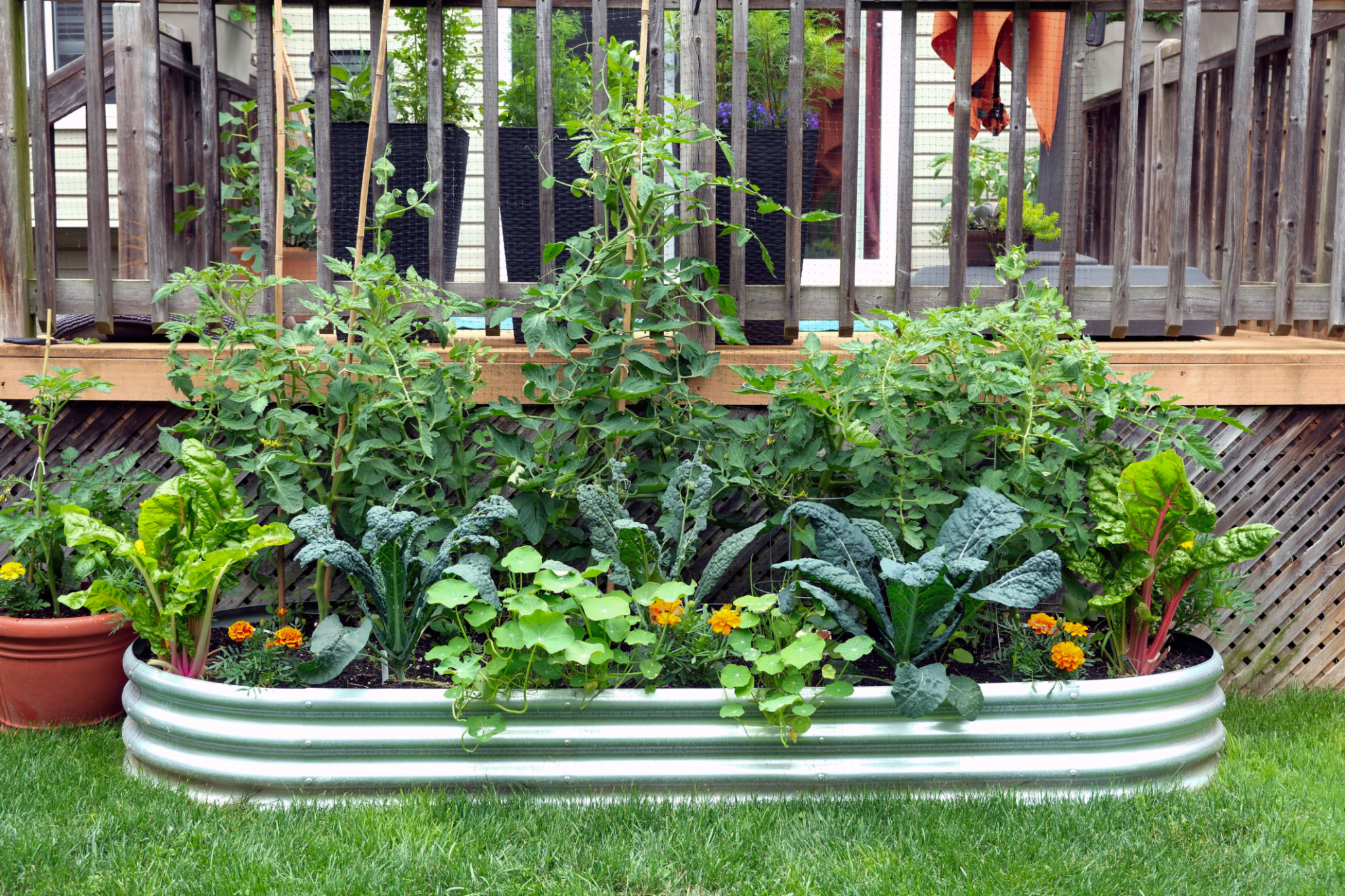
Selecting the right location is crucial for the success of your edible garden. Look for an area that receives at least six to eight hours of sunlight each day. Good drainage is also important to prevent waterlogging, which can harm your plants.
Consider proximity to a water source for easy irrigation. If space is limited, think creatively about vertical gardening or container gardening to maximize your growing area.
Planning Your Garden Layout
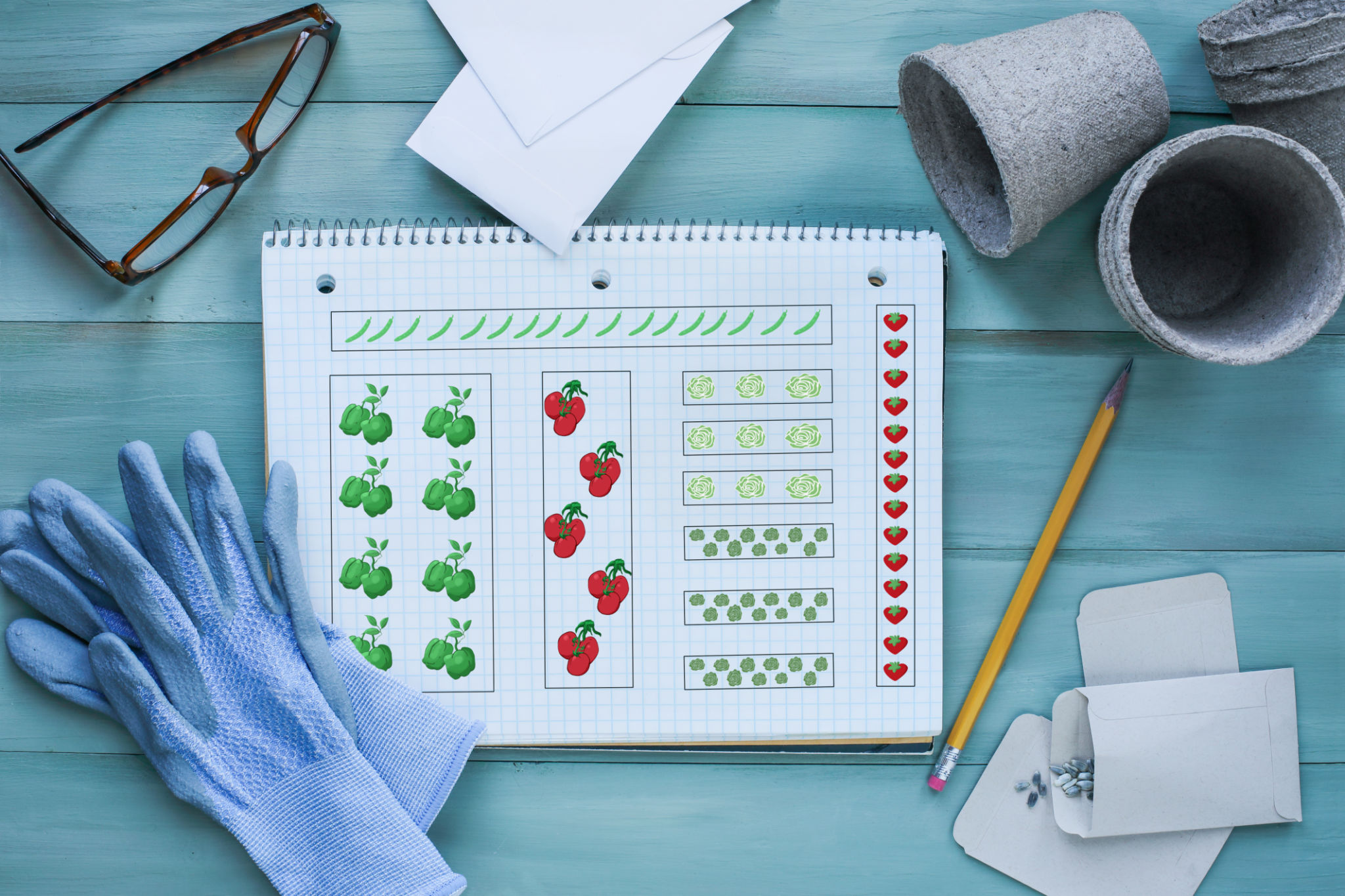
Designing the layout of your garden involves deciding on the arrangement of plants. Consider companion planting to enhance growth and deter pests naturally. Group plants with similar water and sunlight needs together for efficient care.
Create pathways for easy access to plants for harvesting and maintenance. Raised beds can improve drainage and soil quality, making them a popular choice for many gardeners.
Selecting Plants for Your Edible Garden
Choose plants that suit your climate and personal preferences. Start with easy-to-grow options like tomatoes, lettuce, and herbs if you're new to gardening. Consider the growth season and plant varieties that will thrive in your region.
Incorporate a mix of vegetables, fruits, and herbs to enjoy a diverse harvest. Rotating crops each year can help maintain soil health and reduce pest issues.
Soil Preparation and Planting
Healthy soil is the foundation of a successful garden. Test your soil to determine its pH and nutrient levels. Amend it with organic matter like compost to improve fertility and structure.
Follow planting guidelines for each species, spacing them appropriately to ensure adequate airflow and growth. Water plants thoroughly after planting to help them establish roots.

Maintaining Your Edible Garden
Regular maintenance is key to a thriving garden. Water your plants consistently, especially during dry spells. Mulch can help retain moisture and suppress weeds.
Monitor for pests and diseases, using organic methods like neem oil or insecticidal soap to manage issues. Prune plants as needed to promote healthy growth and productivity.
Harvesting and Enjoying Your Produce
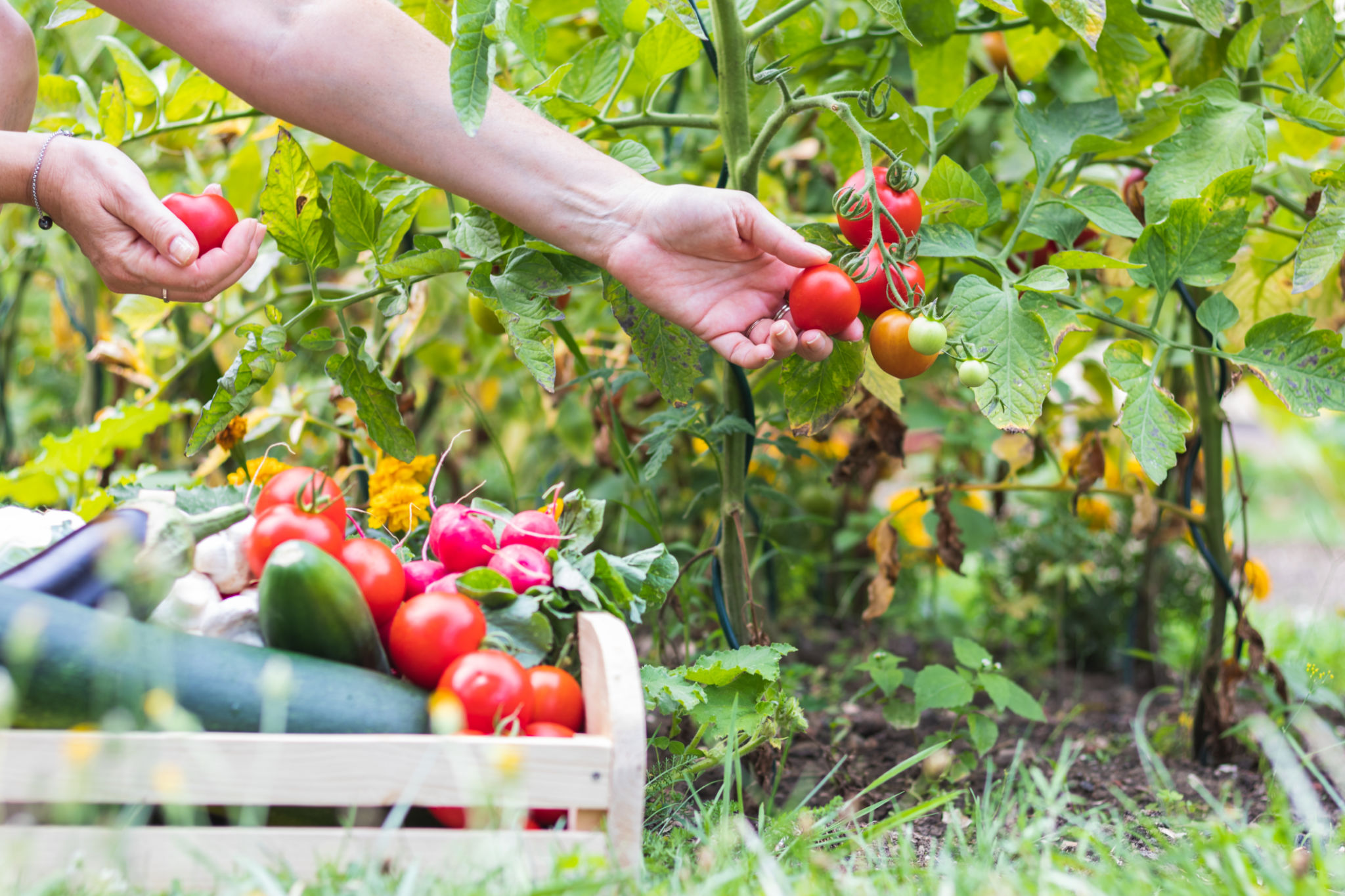
Harvest your produce at its peak for the best flavor and nutrition. Regular picking encourages plants to continue producing. Explore new recipes and enjoy the fruits of your labor.
Consider preserving excess produce through canning, freezing, or drying to enjoy your garden’s bounty year-round.
Conclusion
Designing your perfect edible garden is a fulfilling journey that combines creativity, planning, and care. By following these steps, you can create a garden that provides fresh, healthy produce while enriching your outdoor space.
Start small, learn as you go, and enjoy the process of nurturing a living, edible landscape. Happy gardening!