How to Design Your Perfect Edible Garden: A Step-by-Step Guide


Understanding Your Space
Designing an edible garden begins with understanding the space you have available. Evaluate the size, shape, and conditions of your garden area. Consider sunlight exposure, soil quality, and drainage. These factors will influence the types of plants you can grow successfully.
Start with a sketch or a plan. Measure your space and note the location of existing structures, trees, and pathways. This initial planning will help you make the most of your garden area by maximizing both functionality and aesthetics.

Choose Your Plants Wisely
Selecting the right plants is crucial for the success of your edible garden. Consider your climate and growing season. Choose a mix of vegetables, herbs, and fruits that thrive in your region. Make sure to include a variety of plants to ensure a continuous harvest throughout the growing season.
It’s also essential to consider the growth habits of the plants. Some may require more space or support structures like trellises, while others can be grown in containers or raised beds. Planning for these needs in advance will save you time and effort later on.
Designing for Aesthetics and Functionality
Your edible garden should be both beautiful and productive. Incorporate design elements such as pathways, raised beds, and focal points to enhance the visual appeal. Use companion planting techniques to maximize growth and deter pests naturally.
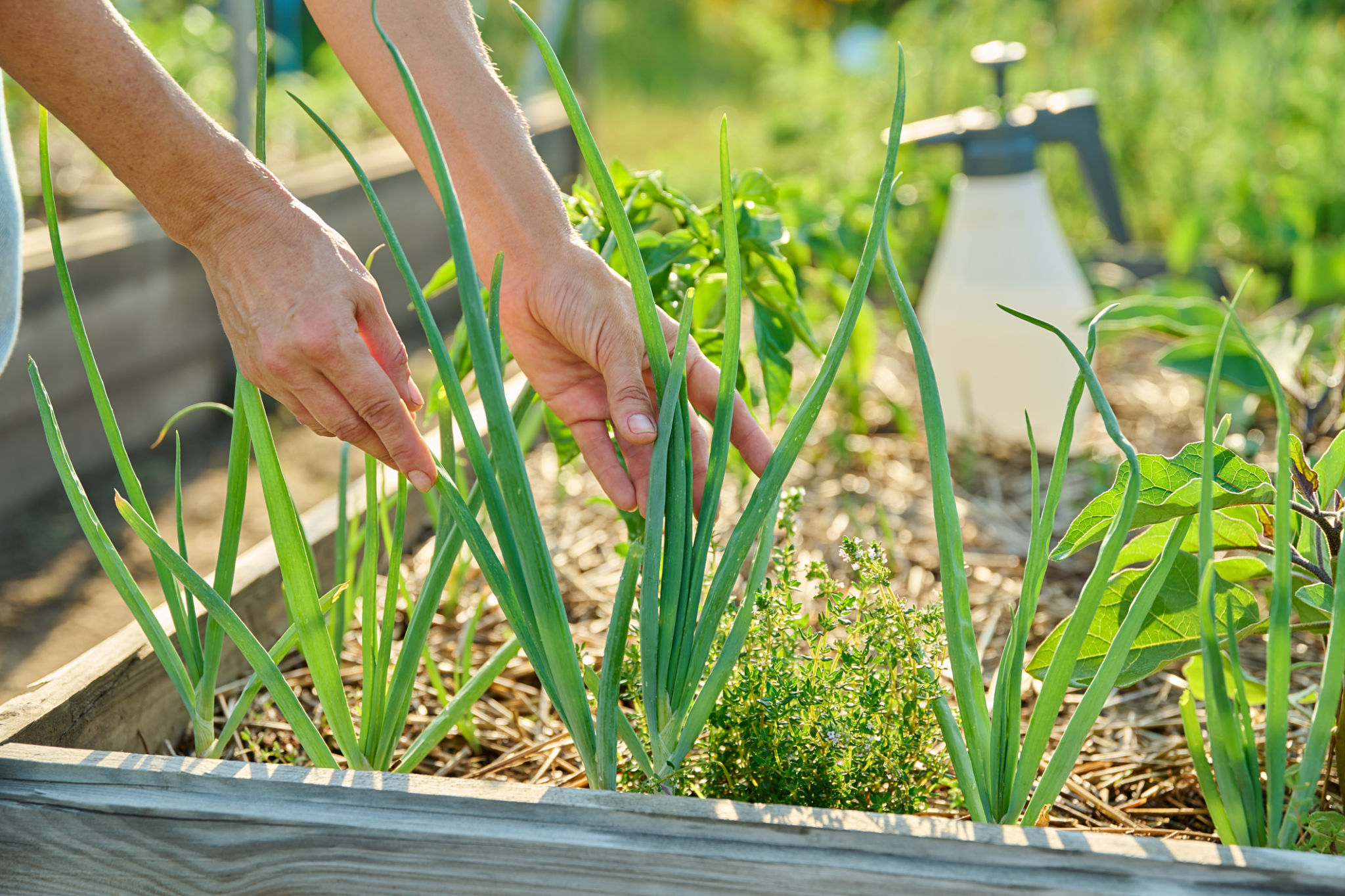
Consider the layout of your garden. Group plants with similar water and sunlight needs together. This approach will make maintenance easier and more efficient. Creating zones in your garden can also help in organizing your planting and harvesting activities.
Soil Preparation and Planting
Healthy soil is the foundation of a thriving edible garden. Test your soil to determine its pH and nutrient levels. Amend it with organic matter like compost to improve fertility and structure. This step is vital for robust plant growth and abundant yields.
When planting, follow recommended spacing guidelines for each plant type. Overcrowding can lead to competition for resources and increase susceptibility to disease. Ensure you plant at the right depth and water thoroughly after planting.

Maintaining Your Edible Garden
Regular maintenance is key to a successful edible garden. Develop a routine for watering, weeding, and checking for pests. Using mulch can help conserve moisture and suppress weeds, reducing your workload.
Keep an eye out for signs of pests or diseases. Early intervention is critical to prevent them from spreading. Utilize organic pest control methods whenever possible to keep your garden chemical-free and safe for consumption.
Harvesting and Enjoying Your Bounty
Harvesting your produce at the right time ensures the best flavor and nutritional value. Learn the signs of ripeness for each type of plant. Regular harvesting encourages more production and helps prevent waste.
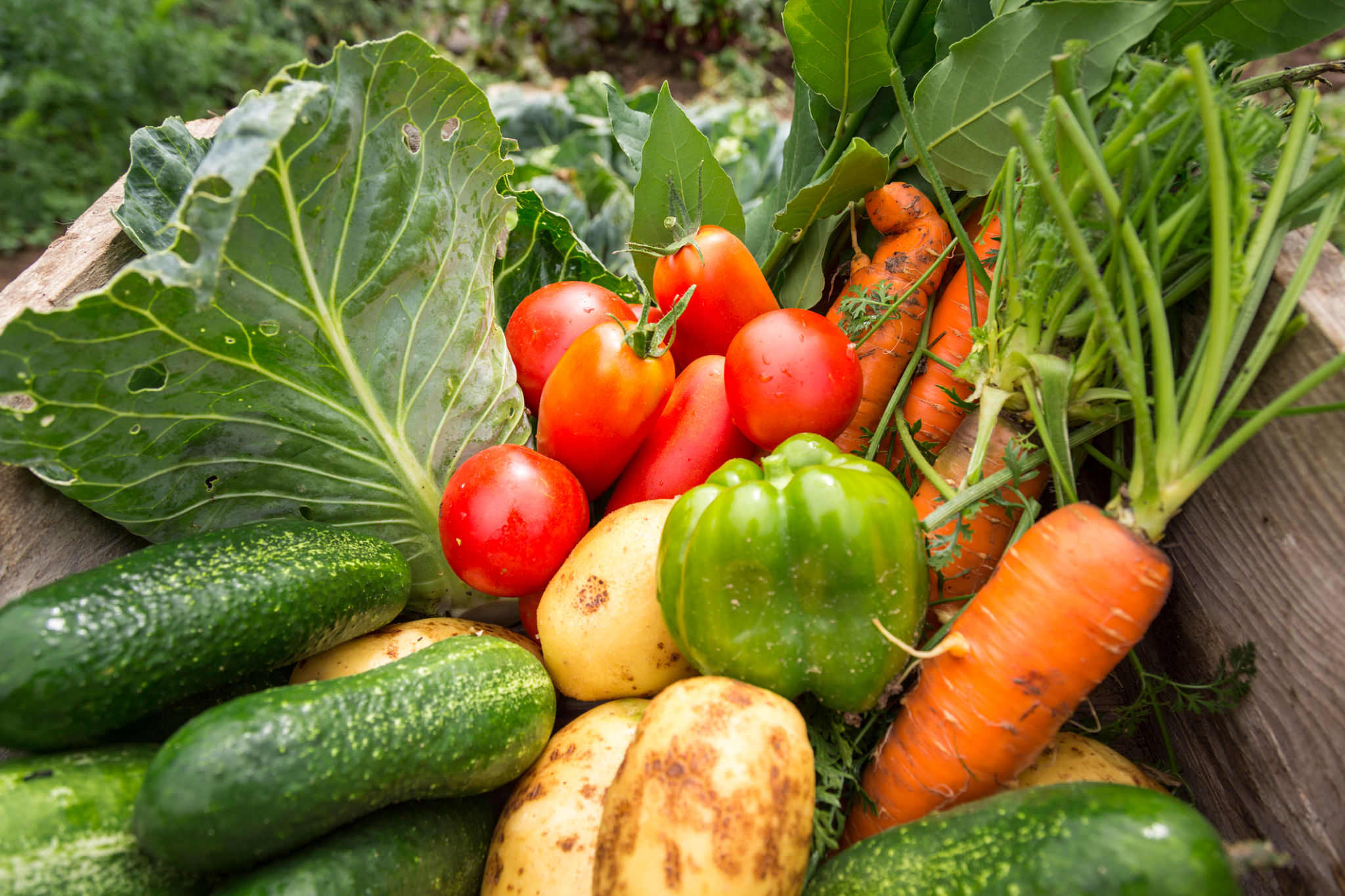
Enjoy the fruits of your labor by incorporating fresh produce into your meals. Share your harvest with friends and family, and consider preserving surplus produce through canning or freezing.
By following these steps, you can design and maintain a vibrant and productive edible garden that provides you with delicious, home-grown food throughout the year.