Exploring No-Till Gardening Methods: A Sustainable Approach


Understanding No-Till Gardening
No-till gardening is an innovative method that prioritizes soil health and sustainability by minimizing soil disturbance. Unlike traditional gardening methods, which often involve turning the soil, no-till gardening focuses on preserving the natural structure and ecosystem of the soil. This approach not only benefits the environment but also enhances plant growth.
By avoiding tilling, gardeners can maintain the integrity of soil microorganisms and fungi, which play a crucial role in nutrient cycling and plant health. This method is gaining popularity among eco-conscious gardeners and farmers seeking sustainable solutions.

Benefits of No-Till Gardening
Soil Health
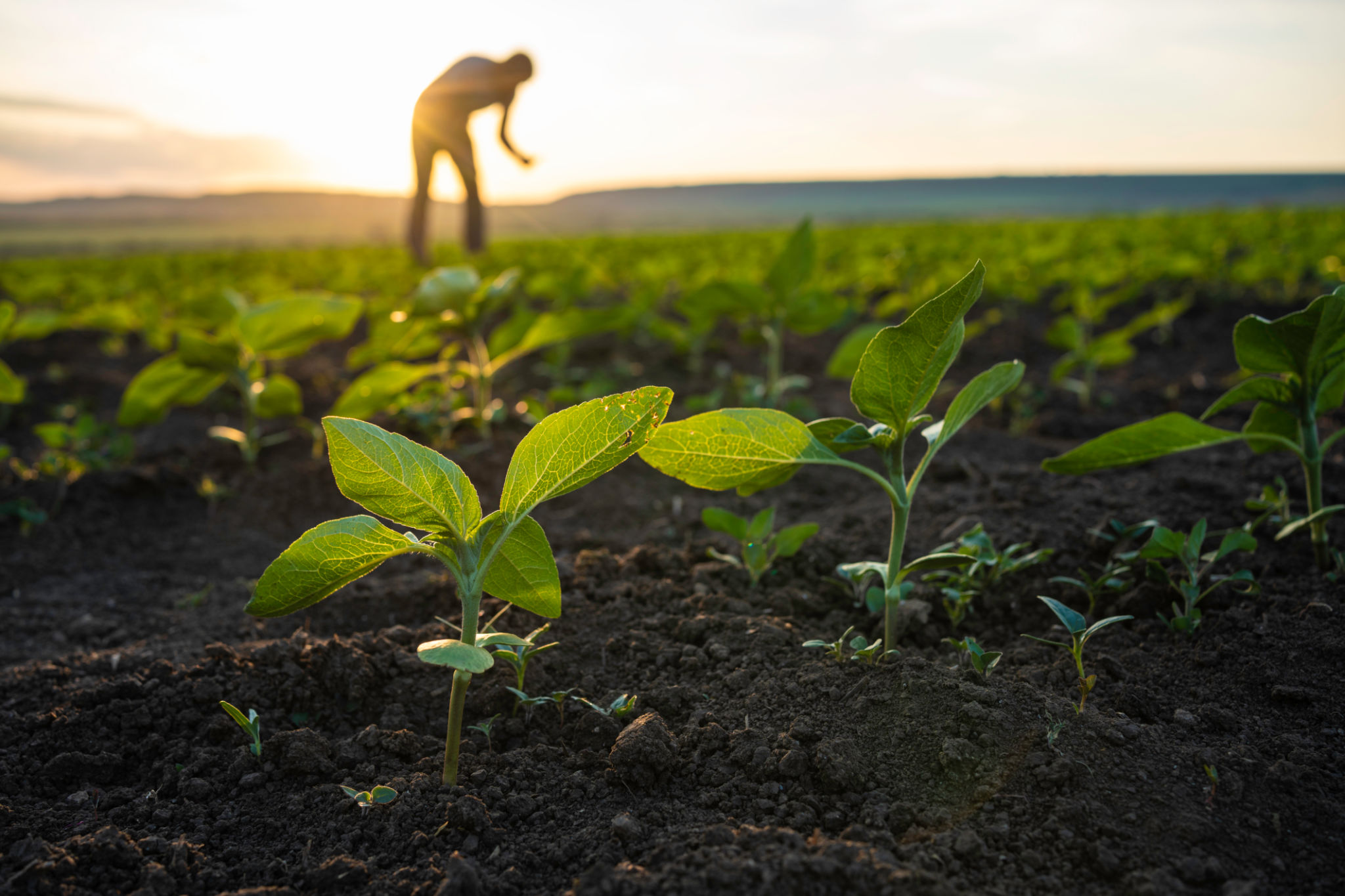
The primary advantage of no-till gardening is improved soil health. When the soil is left undisturbed, beneficial organisms such as earthworms and mycorrhizal fungi thrive, creating a nutrient-rich environment for plants. This leads to healthier crops and increased yields.
Water Conservation
No-till gardening also aids in water conservation. The undisturbed soil structure allows for better water retention, reducing the need for frequent watering. This is especially beneficial in areas prone to drought or limited water resources.
Implementing No-Till Gardening
Getting Started
Starting a no-till garden is relatively simple. Begin by choosing a suitable location and removing any existing weeds or grass. Cover the area with organic mulch, such as straw or wood chips, to suppress weed growth and retain moisture. Over time, the mulch will decompose, enriching the soil.
Planting Techniques
Instead of digging, plant seeds or seedlings by creating small holes in the mulch. As the plants grow, continue to add layers of organic matter to the soil surface. This mimics the natural forest floor, where organic material continually falls and decomposes, nourishing the soil.

Challenges and Considerations
While no-till gardening offers numerous benefits, it also presents some challenges. Pests and diseases may become more prevalent in undisturbed soil. To mitigate these issues, practice crop rotation and introduce companion planting to naturally deter pests.
Additionally, patience is key. No-till gardening often requires more time to see results compared to conventional methods, but the long-term benefits to soil health and sustainability are well worth the effort.
Conclusion
Embracing no-till gardening can lead to a more sustainable and productive garden. By preserving soil structure and promoting biodiversity, this method supports a healthier ecosystem. Whether you're a seasoned gardener or a beginner, no-till gardening offers an eco-friendly approach to growing your own food.