Expert Tips for Successful Edible Gardens: Insights from the Pros


Planning Your Edible Garden
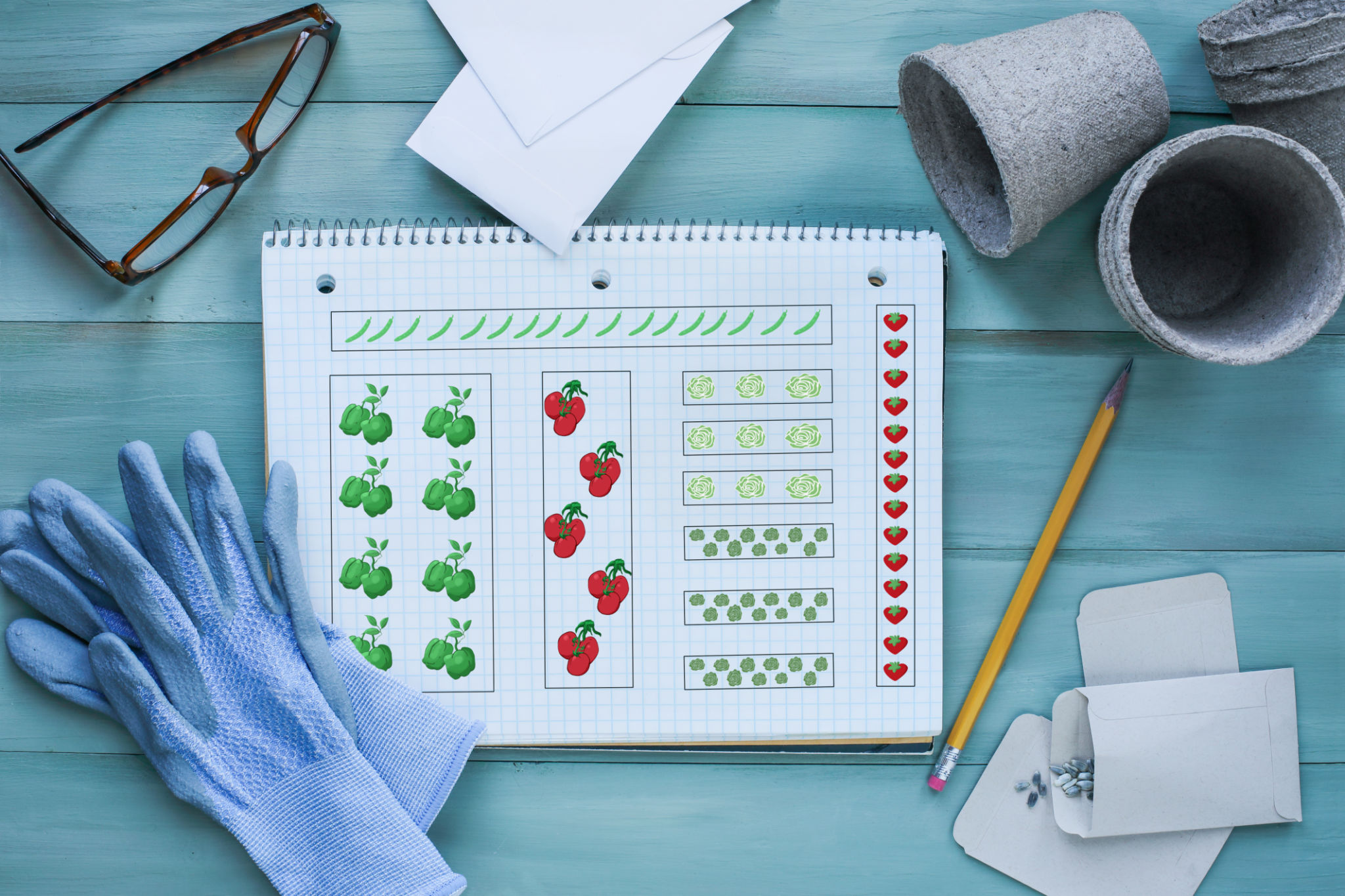
Creating a successful edible garden starts with careful planning. Consider the space you have available and the types of crops you want to grow. Make sure to account for the sunlight each area receives, as this will influence what you can plant.
Experts suggest starting small, especially if you're new to gardening. Focus on a few easy-to-grow crops such as lettuce, tomatoes, or herbs. This allows you to learn as you go and gradually expand your garden.
Soil Preparation and Maintenance
The foundation of any thriving garden is healthy soil. Begin by testing your soil to understand its pH level and nutrient content. This information will guide you in amending your soil with the necessary nutrients.
Regularly adding organic matter like compost can improve soil structure and fertility. Keep in mind that maintaining soil health is an ongoing process, so plan to replenish nutrients throughout the growing season.

Choosing the Right Plants
Selecting the right plants for your garden is crucial. Consider your climate, the season, and your personal preferences. Some plants are more suited to certain environments, so choose varieties that thrive in your region.
Rotate crops each year to prevent soil depletion and control pests. This practice, known as crop rotation, is a sustainable way to manage your garden and improve yield.

Watering and Irrigation
Proper watering is essential for the success of an edible garden. Overwatering or underwatering can harm plants, so finding the right balance is key. Experts recommend watering early in the morning or late in the afternoon to minimize evaporation.
Consider installing a drip irrigation system to ensure consistent moisture levels. This method conserves water and delivers it directly to the roots, promoting healthy plant growth.
Pest Management
Dealing with pests is a common challenge for gardeners. Integrated Pest Management (IPM) is an effective strategy that combines different methods to control pests with minimal environmental impact.
Introduce beneficial insects like ladybugs and lacewings to naturally combat harmful pests. Additionally, consider using organic pesticides as a last resort to protect your plants.

Harvesting and Enjoying Your Produce
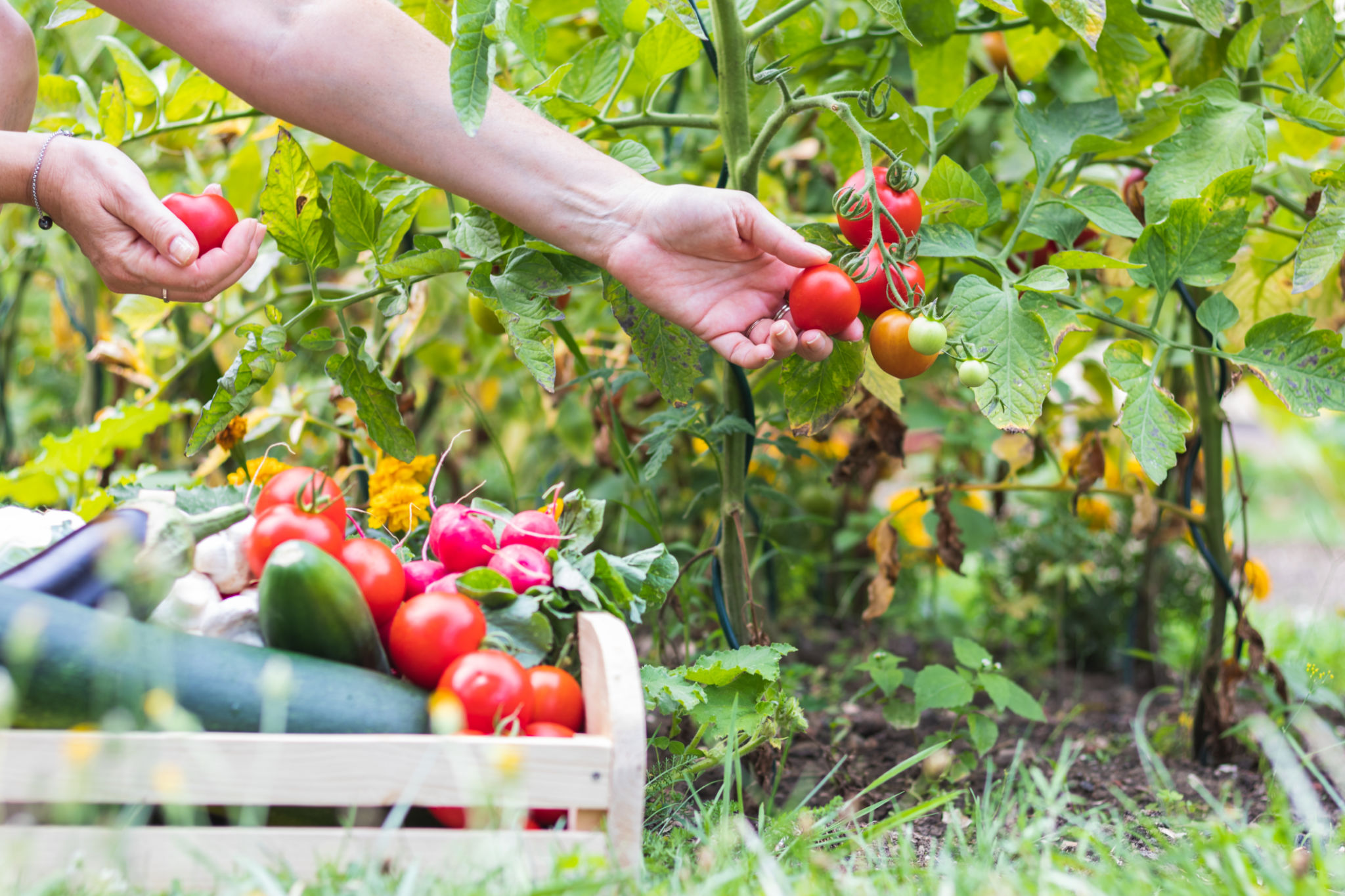
Knowing when and how to harvest your crops is vital for the best flavor and nutrition. Each plant has its own optimal harvesting time, so be sure to research the specific needs of your chosen varieties.
Enjoying the fruits of your labor is the most rewarding part of gardening. Share your harvest with friends and family, or preserve it through canning or freezing to enjoy year-round.
By following these expert tips, you'll be well on your way to cultivating a successful edible garden. Embrace the process, learn from your experiences, and most importantly, have fun in your gardening journey!