DIY Vertical Garden: Step-by-Step Guide for Compact Urban Spaces


Urban living often means limited space, but that shouldn't stop you from enjoying the benefits of gardening. A DIY vertical garden is an excellent solution for compact urban areas, allowing you to cultivate plants while adding a touch of greenery to your home. Whether you're a seasoned gardener or a beginner, this step-by-step guide will help you create your own vertical garden.
Why Choose a Vertical Garden?
Vertical gardens offer numerous benefits beyond just saving space. They can enhance air quality, reduce noise pollution, and even improve your mental well-being. Plus, they add a unique aesthetic to your living space. By utilizing vertical space, you can grow a variety of plants, from herbs to flowers, without needing a large plot of land.

Materials You'll Need
Before you start building your vertical garden, gather the necessary materials. Here’s a list of what you’ll need:
- Wooden pallets or plastic panels
- Potting soil
- Plants or seeds
- Gardening tools
- Mounting hardware (hooks, screws, etc.)
- Watering can or garden hose
These materials are easily available at most gardening stores. Choose high-quality soil and plants to ensure the longevity and health of your garden.
Step-by-Step Guide to Building Your Vertical Garden
Step 1: Choose the Right Location
Location is crucial for the success of your vertical garden. Look for a spot that receives adequate sunlight and is protected from harsh weather conditions. A balcony, terrace, or even a well-lit indoor wall can be ideal.
Step 2: Prepare the Structure
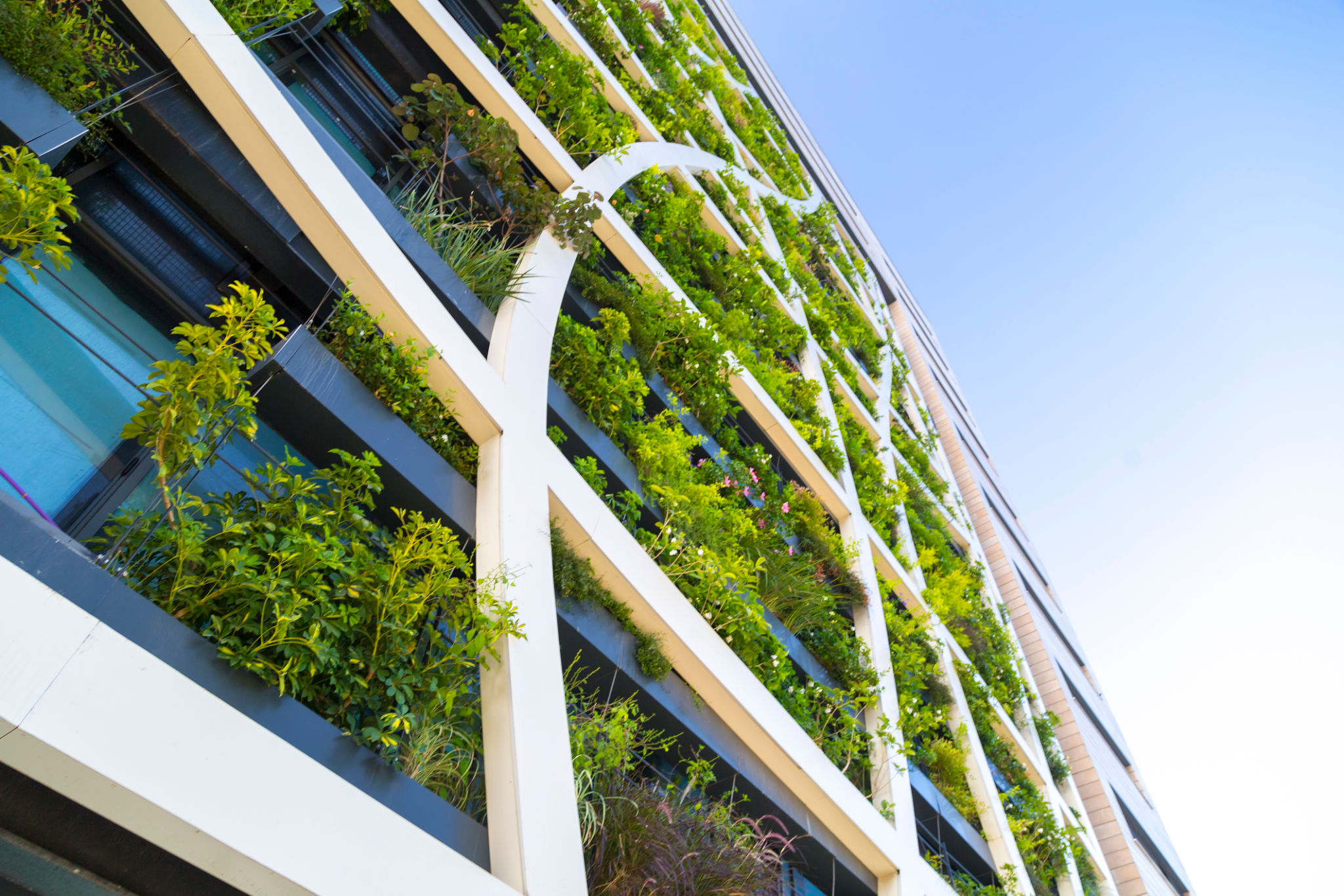
Decide on the structure for your vertical garden. Wooden pallets are a popular choice due to their availability and versatility. If using pallets, ensure they are clean and sturdy. You can also use plastic panels or metal grids.
Step 3: Install the Structure
Securely mount the structure in your chosen location. Use appropriate mounting hardware to ensure it can support the weight of the soil and plants. Safety is key, so double-check that everything is firmly in place.
Planting and Maintenance
Step 4: Add Soil and Plants
Fill the containers or pockets on your structure with potting soil. Carefully plant your chosen seeds or seedlings, ensuring they have enough space to grow. Consider mixing different types of plants for a varied and vibrant garden.
Step 5: Regular Maintenance
Maintenance is essential to keep your vertical garden thriving. Water the plants regularly, and make sure they get enough sunlight. Prune and fertilize them as needed to promote healthy growth. Regularly check for pests and diseases to prevent any damage.

With these steps, you can enjoy a flourishing vertical garden in your urban space. It’s a rewarding project that brings nature to your doorstep, no matter how limited your space may be. Happy gardening!