DIY Edible Garden: A Step-by-Step Installation Guide


Planning Your Edible Garden
Starting your own DIY edible garden is a rewarding project that brings fresh produce right to your doorstep. Before you begin planting, it's crucial to plan the layout and choose the right location. Consider factors like sunlight, accessibility, and soil quality. Your garden should receive at least six hours of sunlight daily and be easily accessible for regular maintenance.

Once you have a location in mind, decide on the type of plants you want to grow. Popular choices for beginners include tomatoes, lettuce, herbs, and peppers. Research the specific needs of each plant to ensure they will thrive in your chosen spot.
Preparing the Soil
The next step is to prepare the soil for planting. Start by removing weeds and debris from the area. Then, test the soil's pH level to ensure it is suitable for your chosen plants. Most vegetables prefer a slightly acidic to neutral pH ranging from 6.0 to 7.0.
Enhance the soil quality by mixing in organic matter such as compost or well-rotted manure. This will improve drainage, provide nutrients, and encourage beneficial microbial activity. If your soil is heavy clay or sandy, consider raised beds to create a more controlled environment.

Planting Your Edible Garden
With your soil ready, it's time to start planting. Follow the instructions on seed packets or plant labels for the correct planting depth and spacing. Be mindful of companion planting; some plants thrive when grown together, while others may compete for nutrients.
Water your plants thoroughly after planting, but be careful not to overwater. Consistent moisture is essential, especially in the early stages of growth. Consider installing a drip irrigation system for efficient watering.

Maintaining Your Garden
Regular maintenance is key to a successful edible garden. This includes watering, weeding, and monitoring for pests and diseases. Mulching can help retain soil moisture and suppress weeds. Use organic mulches like straw or wood chips for the best results.
Keep an eye out for signs of pests and diseases. Natural remedies like neem oil or beneficial insects can help manage these issues without harming your plants. Regularly check for any signs of stress or nutrient deficiencies.
Harvesting and Enjoying Your Produce
As your plants grow, you'll soon be able to enjoy the fruits of your labor. Harvest your produce at the right time for the best flavor and nutritional value. Most vegetables are best picked when they are young and tender.
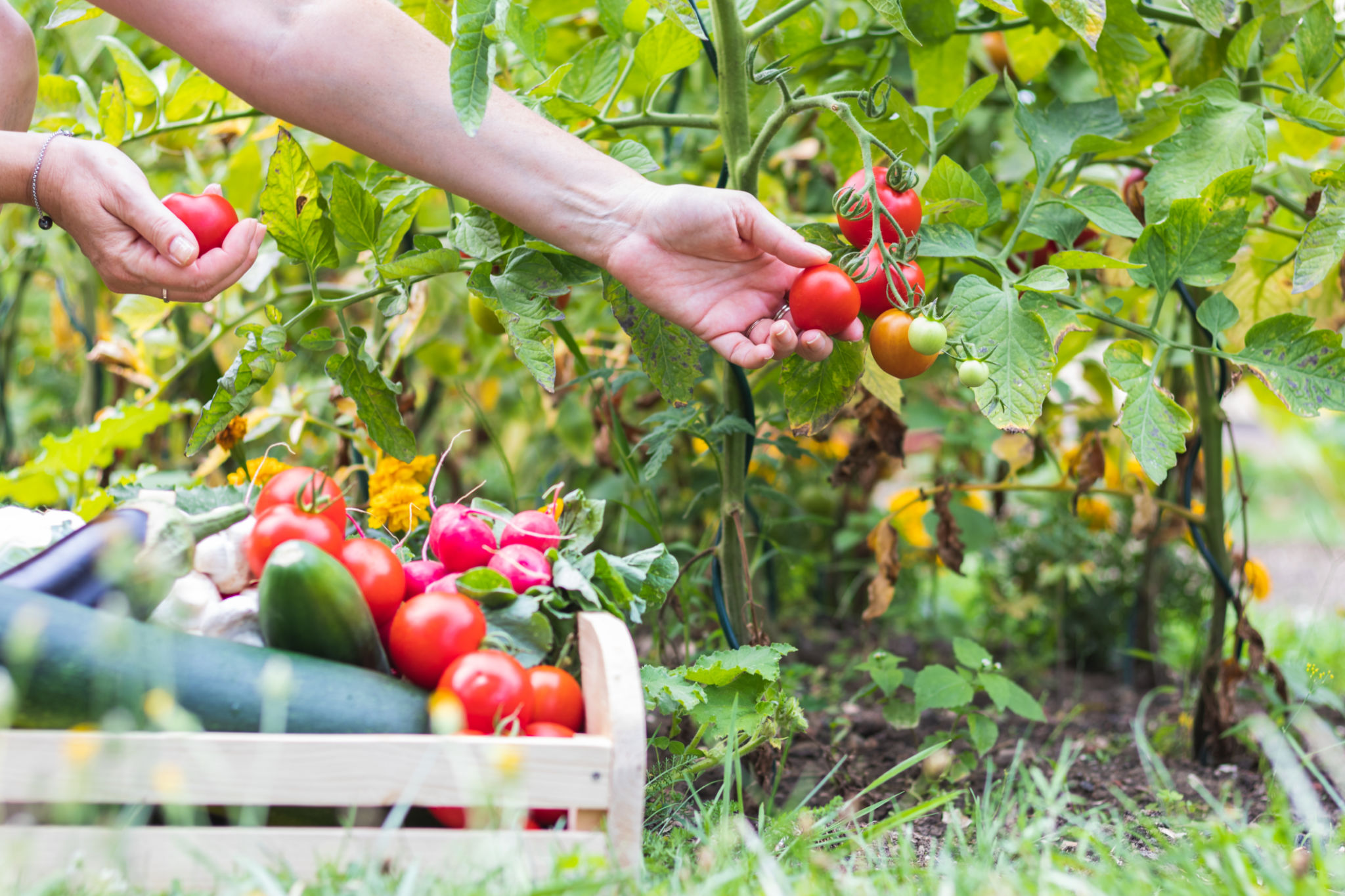
Enjoy your fresh produce in a variety of dishes, or consider preserving any excess through canning or freezing. Sharing your harvest with friends and family can also be a delightful way to spread the joy of gardening.
Expanding Your Garden
Once you have mastered the basics, consider expanding your garden to include a wider variety of plants. Try adding fruit trees, berry bushes, or even a small greenhouse. Each new addition brings its own unique challenges and rewards.
Continuously learning and experimenting with new techniques will keep your gardening experience fresh and rewarding. Remember, an edible garden is a living project that evolves with each season.