Comprehensive Guide to Sustainable Gardening Solutions for Homeowners


Understanding Sustainable Gardening
Sustainable gardening is a method of cultivating plants that supports the health of the environment, conserves resources, and reduces waste. This approach not only benefits the ecosystem but also enhances the beauty and productivity of your garden. By adopting sustainable practices, homeowners can create a thriving outdoor space that requires less maintenance and fosters biodiversity.
Soil Health and Composting
The Importance of Healthy Soil
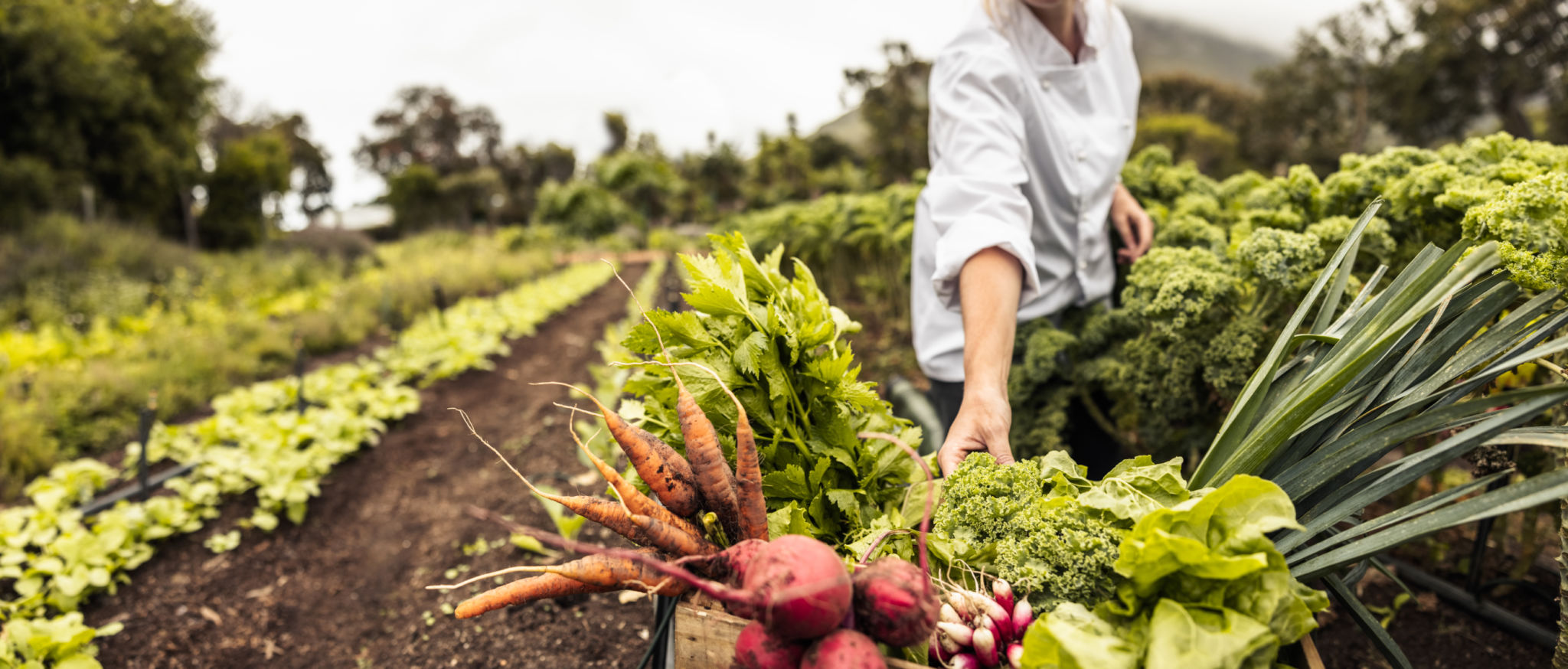
Healthy soil is the foundation of a sustainable garden. It provides essential nutrients to plants, improves water retention, and supports beneficial microorganisms. To maintain soil health, homeowners should focus on practices like crop rotation and cover cropping, which prevent nutrient depletion and soil erosion.
Composting Tips
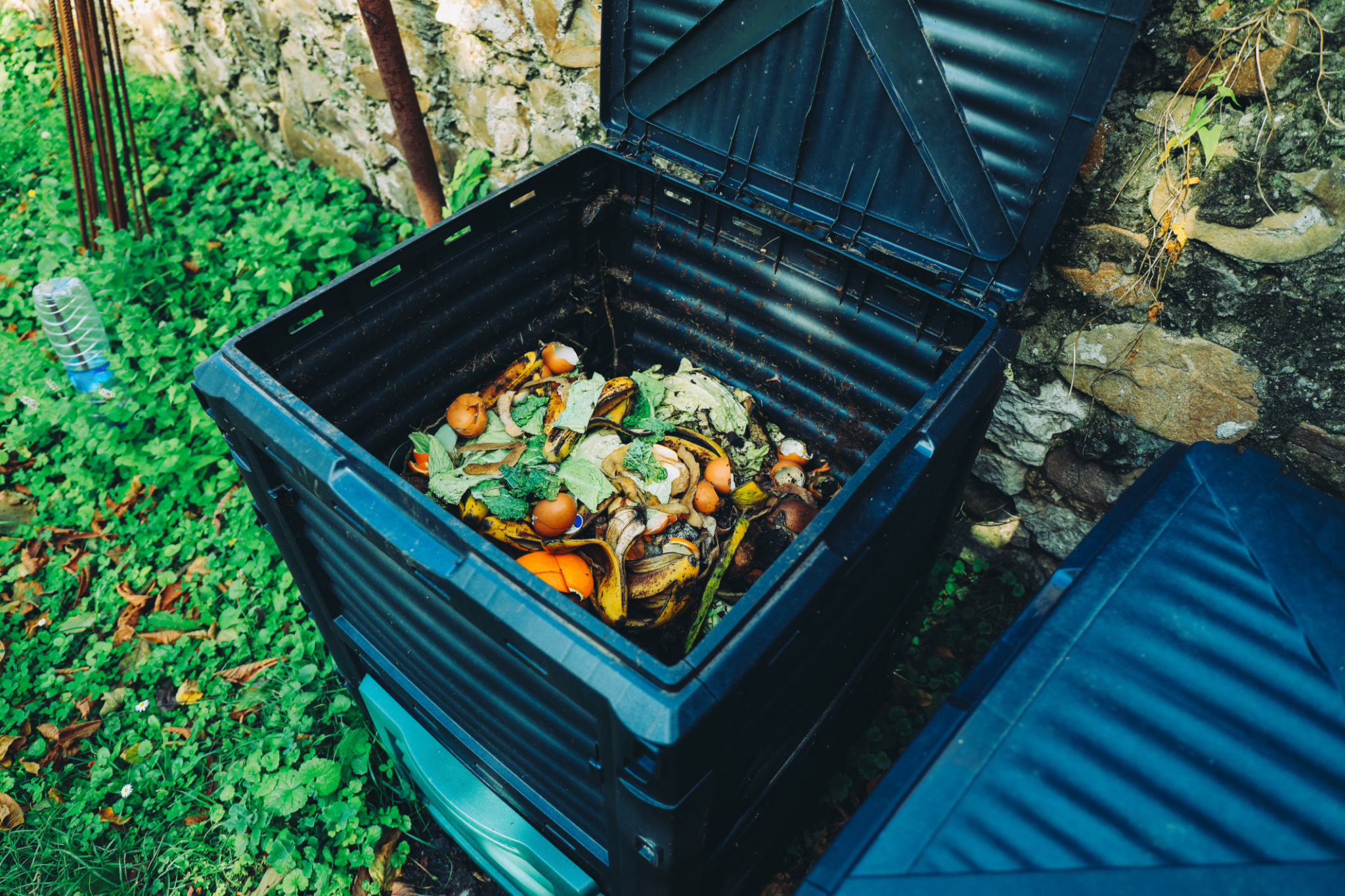
Composting is an effective way to recycle organic waste and enrich your garden soil. Start by collecting kitchen scraps, grass clippings, and leaves. Mix these materials in a compost bin, ensuring a balance between green and brown materials. Turn the pile regularly to speed up the decomposition process. The result is nutrient-rich compost that can be used to nourish your plants.
Water Conservation Techniques
Efficient Irrigation Systems
Water conservation is crucial in sustainable gardening. Consider installing drip irrigation systems, which deliver water directly to the plant roots, reducing evaporation and runoff. Additionally, using rain barrels to collect rainwater can provide an eco-friendly water source for your garden.
Mulching Benefits
Mulching is another effective way to conserve water. By covering the soil with organic materials like straw, wood chips, or shredded leaves, you can reduce evaporation, suppress weeds, and keep the soil temperature stable. Mulching also enriches the soil as it decomposes, providing further benefits to your plants.

Choosing Native Plants
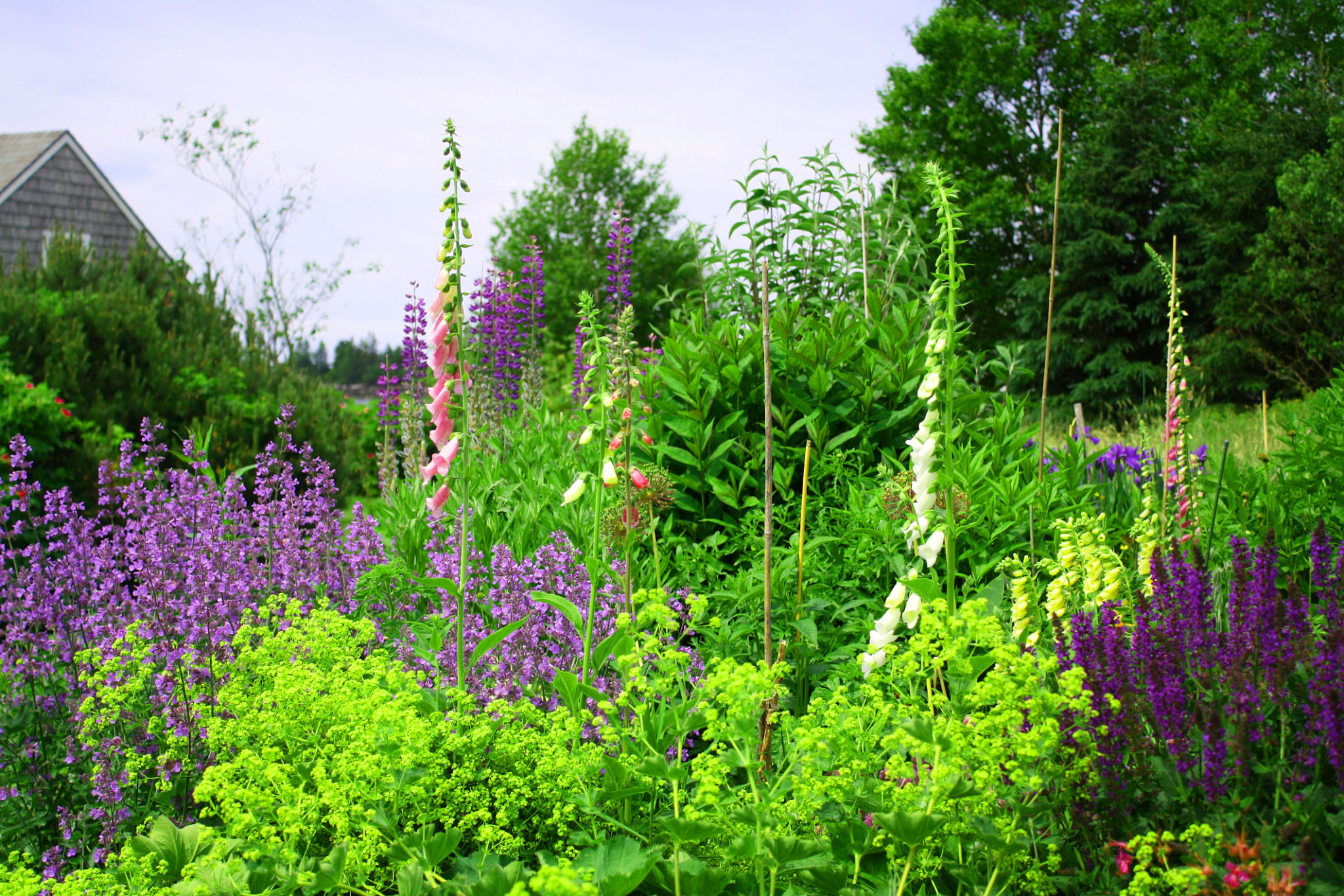
Native plants are well-suited to the local climate and soil conditions, making them an excellent choice for sustainable gardening. These plants typically require less water, fertilizer, and pest control, as they have adapted to thrive in their natural environment. By incorporating native species, you can create a garden that supports local wildlife and promotes biodiversity.
Integrated Pest Management
Instead of relying on chemical pesticides, sustainable gardening emphasizes integrated pest management (IPM) techniques. This approach involves using natural predators, such as ladybugs and birds, to control pest populations. Additionally, planting a diverse range of species can prevent pest outbreaks by disrupting their life cycles.
Benefits of Sustainable Gardening
Implementing sustainable gardening practices not only helps the environment but also offers numerous benefits for homeowners. A sustainable garden can reduce maintenance costs, increase property value, and provide a peaceful, natural retreat. Moreover, it can contribute to a healthier lifestyle by supplying fresh, organic produce.
Embracing sustainable gardening solutions is a rewarding endeavor that benefits both your home and the planet. By making mindful choices and implementing eco-friendly practices, you can create a vibrant, sustainable garden that flourishes for years to come.