Common Misconceptions About Edible Gardens Busted


Introduction to Edible Gardens
Edible gardens have gained popularity as more people seek sustainable and self-sufficient living. However, there are several misconceptions about starting and maintaining these gardens. This post aims to debunk some of these myths to help you embark on your gardening journey with confidence.
From assuming they require too much space to believing they are only for experienced gardeners, the myths surrounding edible gardens can be discouraging. Let's explore the truth behind these common misconceptions.
Myth 1: Edible Gardens Require a Lot of Space
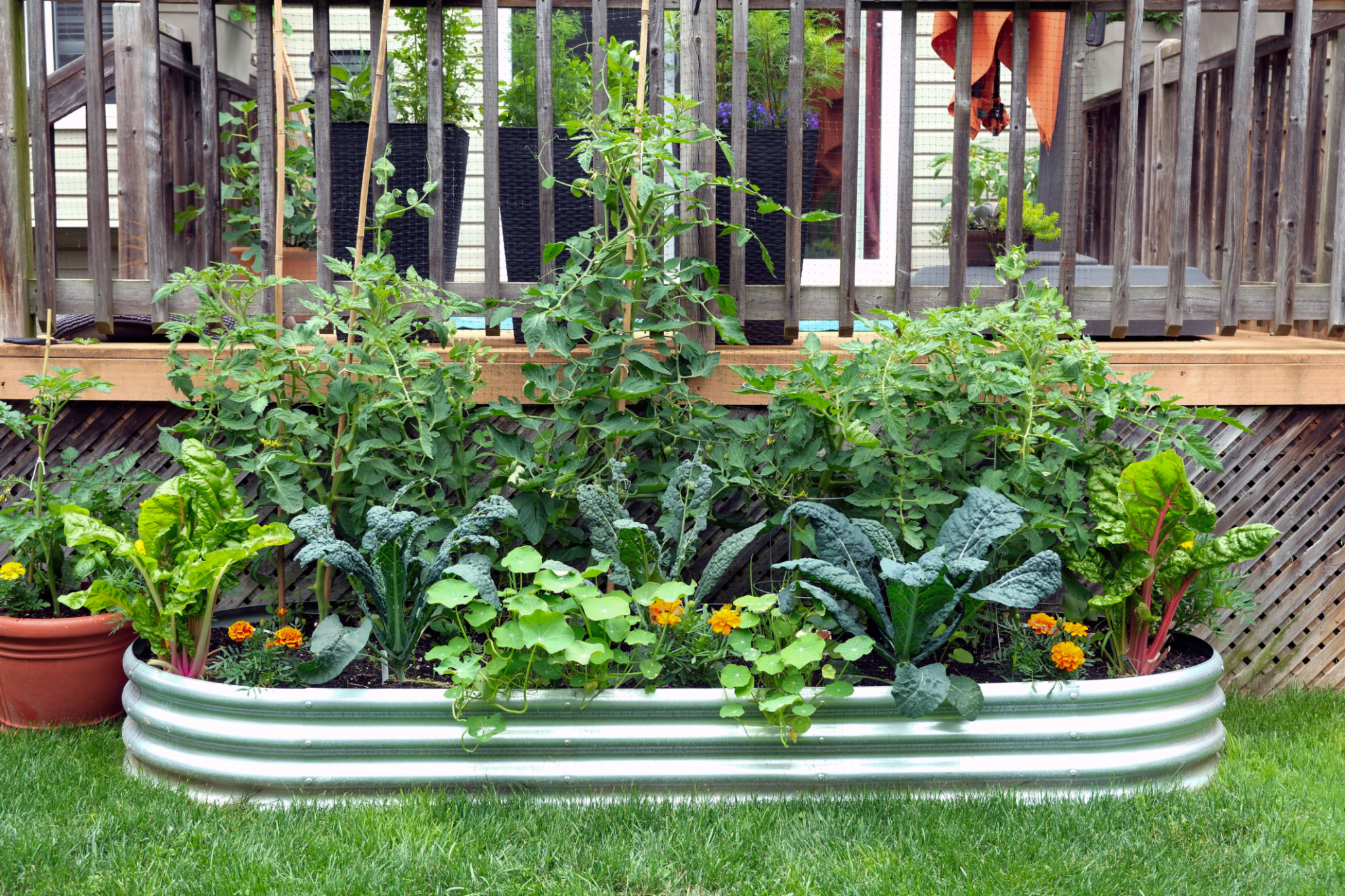
A common belief is that you need a large backyard to start an edible garden. In reality, you can grow a variety of fruits, vegetables, and herbs in small spaces. Urban gardening techniques such as vertical gardening and container gardening make it possible to cultivate a lush garden on balconies or small patios.
Vertical gardens utilize wall space efficiently, allowing you to plant upwards rather than outwards. Container gardening offers flexibility and mobility, making it ideal for renters or those with limited space.
Myth 2: Edible Gardens Are High Maintenance
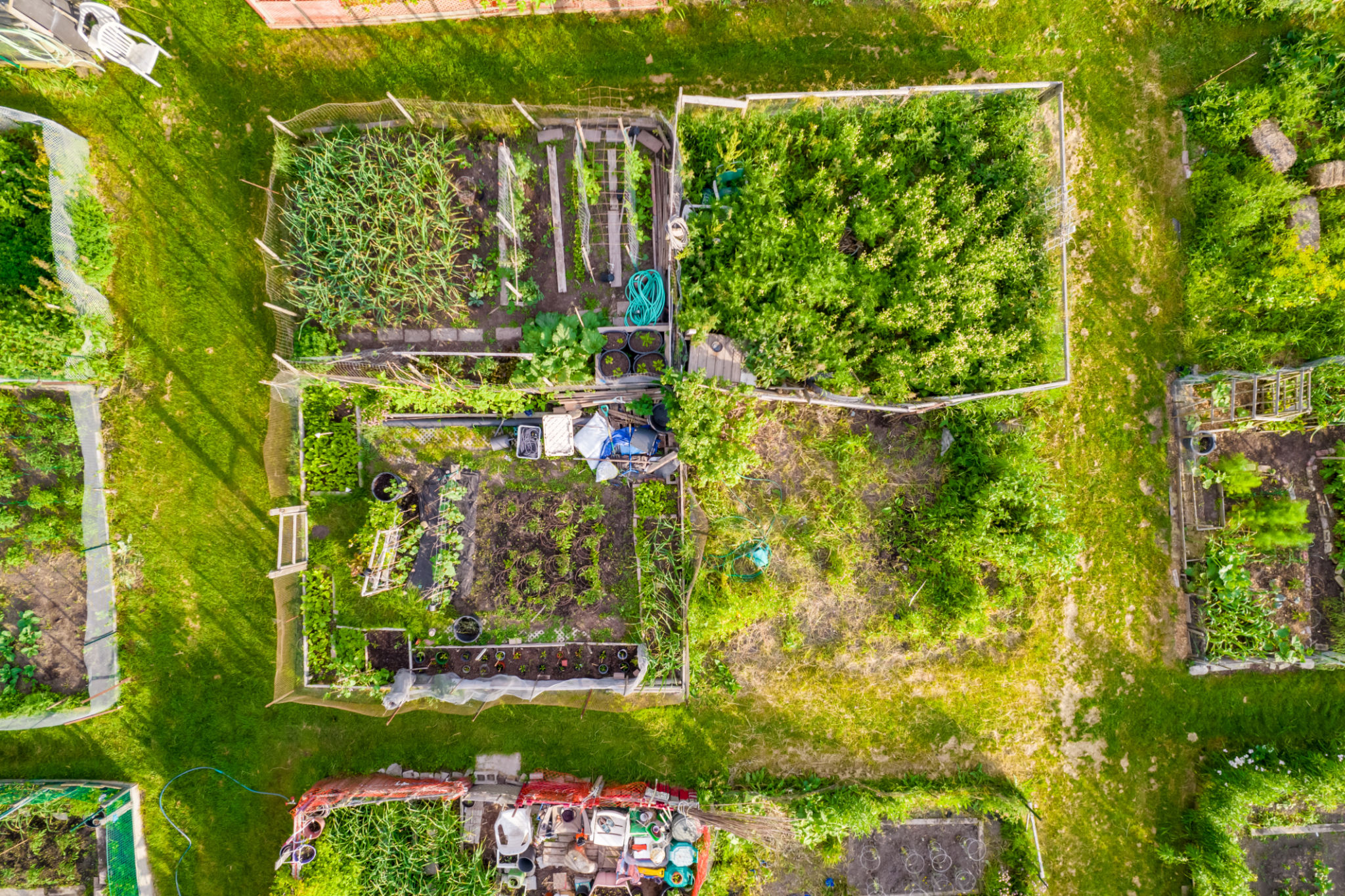
Another misconception is that edible gardens require constant attention and maintenance. While they do need regular care, they are not more demanding than ornamental gardens. The key is to choose low-maintenance plants and implement smart gardening practices.
Consider using mulch to retain soil moisture and reduce the need for frequent watering. Companion planting can also help control pests naturally, reducing the need for chemical interventions.
Myth 3: Only Experienced Gardeners Can Grow Edible Plants
Many believe that growing your own food is a task best left to seasoned gardeners. However, edible gardening is accessible to beginners, especially with the wealth of resources available today. Starting with easy-to-grow plants like lettuce, radishes, and herbs can build your confidence.

Online communities and gardening apps provide valuable tips and support, making it easier than ever to learn and succeed. Don't be afraid to experiment and learn as you grow.
Myth 4: Edible Gardens Are Expensive to Start
Some people think that starting an edible garden requires a significant financial investment. While there are costs involved, such as purchasing seeds, soil, and containers, many resources are available for free or at a low cost.
Consider saving seeds from store-bought produce, using kitchen scraps to grow plants like green onions, and repurposing household items as plant containers. These strategies can make edible gardening affordable and sustainable.
Conclusion
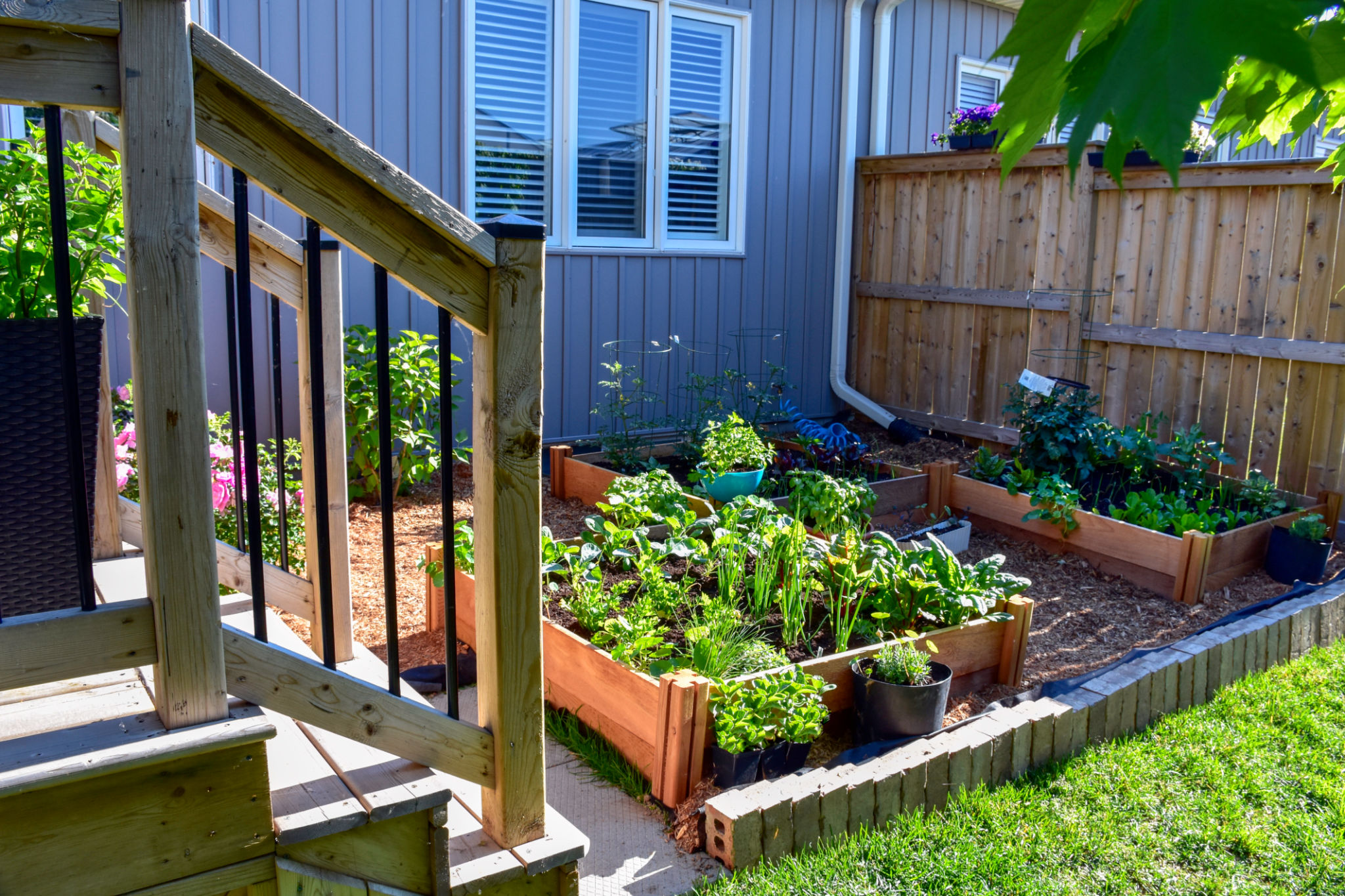
Edible gardens offer numerous benefits, from providing fresh produce to enhancing mental well-being. By debunking these myths, we hope to inspire more people to embrace the joy and rewards of growing their own food. Remember, gardening is a journey, and each step brings you closer to a more sustainable lifestyle.