Case Study: Transforming a Backyard into a Bountiful Edible Garden


Introduction to the Project
When Jane and Tom decided to transform their underutilized backyard into an edible garden, they embarked on a journey that not only enhanced their home's aesthetics but also provided them with fresh produce year-round. This case study explores the steps they took and the incredible results they achieved.
Initial Planning and Design
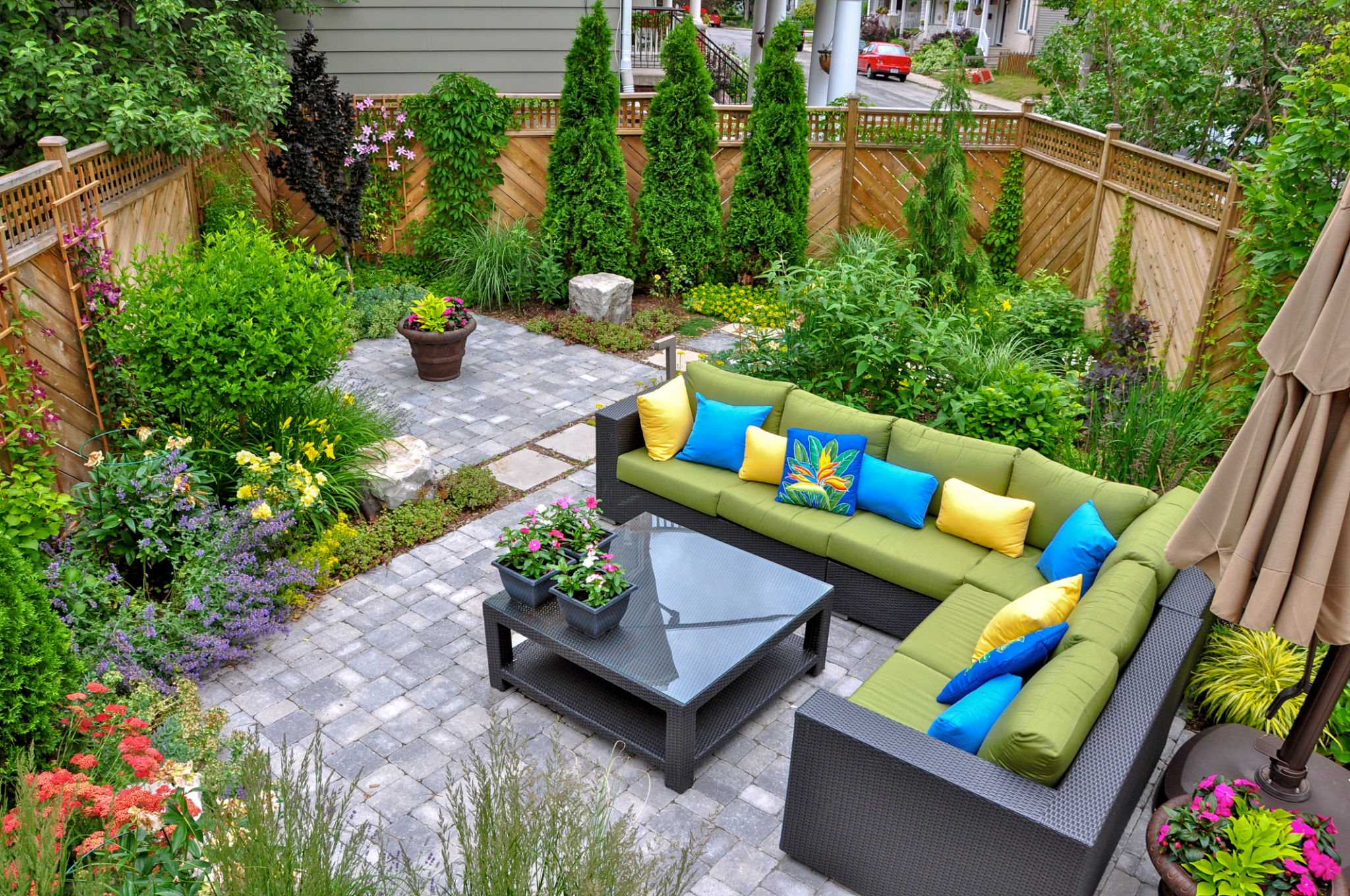
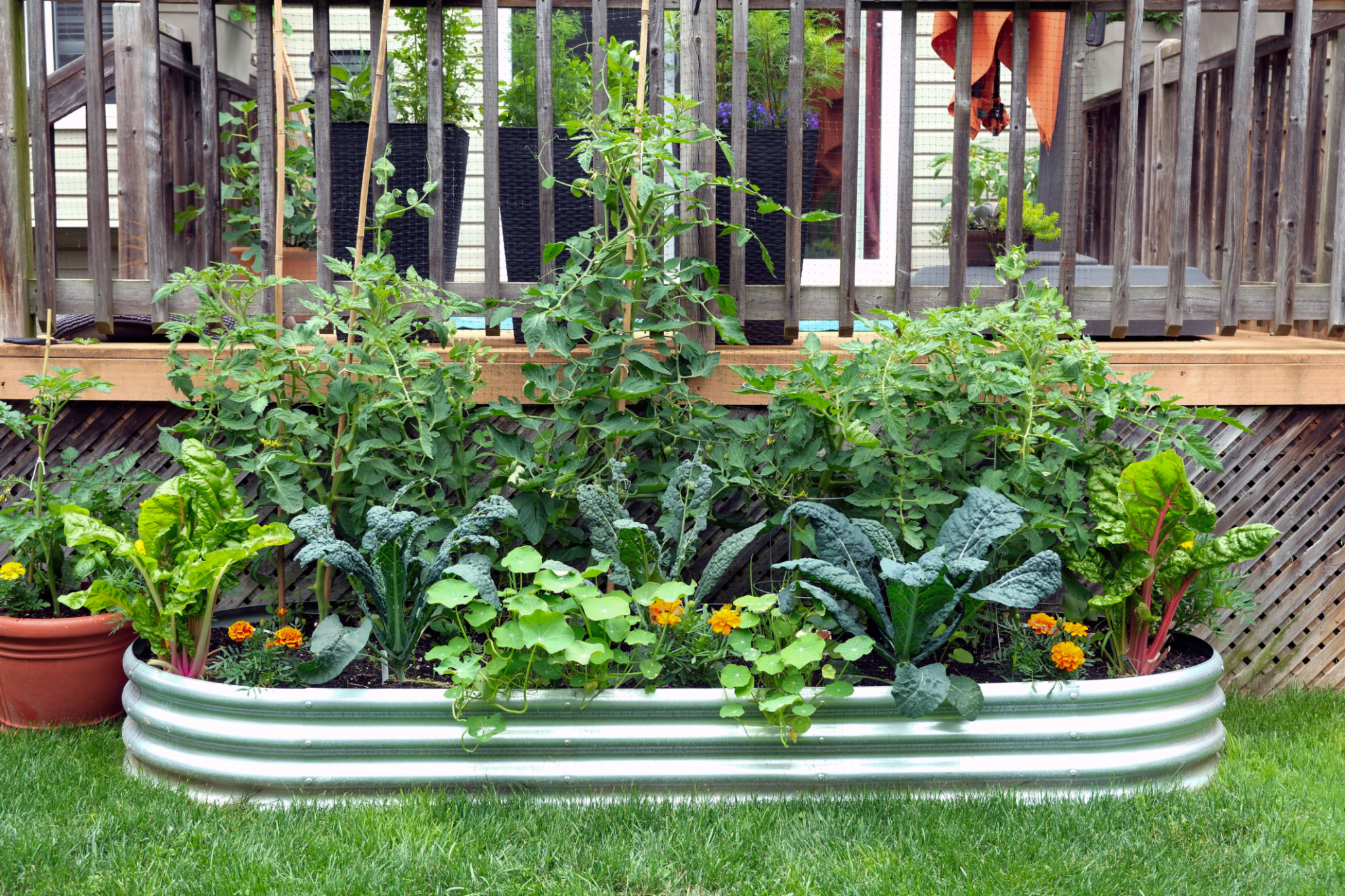
The first step in their transformation was comprehensive planning. Jane and Tom started by assessing their space, considering sunlight exposure, soil quality, and existing landscaping. They decided on a design that included raised beds, vertical plantings, and space for both herbs and vegetables.
Choosing the Right Plants
Understanding their local climate, they selected a variety of plants that would thrive throughout the seasons. Some of their choices included tomatoes, lettuce, strawberries, and various herbs like basil and mint. This selection ensured a continuous supply of fresh ingredients for their kitchen.
Preparing the Soil
Next, they focused on soil preparation. Healthy soil is the foundation of a successful garden. They enriched their soil with organic compost and natural fertilizers, ensuring it was nutrient-rich and well-draining. This step was crucial in promoting plant growth and yield.
Implementing Sustainable Practices
Jane and Tom were committed to sustainability. They used rainwater collection systems to water their garden and employed companion planting to naturally deter pests. These methods not only conserved resources but also maintained a healthy garden ecosystem.

Overcoming Challenges
Like any project, they faced challenges. Dealing with pests, unexpected weather changes, and learning proper plant care were all part of the process. They sought advice from local gardening clubs and online forums, which provided valuable insights and solutions.
Building a Community Connection
The garden became more than just a source of food. Jane and Tom found themselves connecting with neighbors and local gardening enthusiasts. This community involvement provided additional support and shared knowledge, enriching their gardening experience.
The Harvest and Benefits
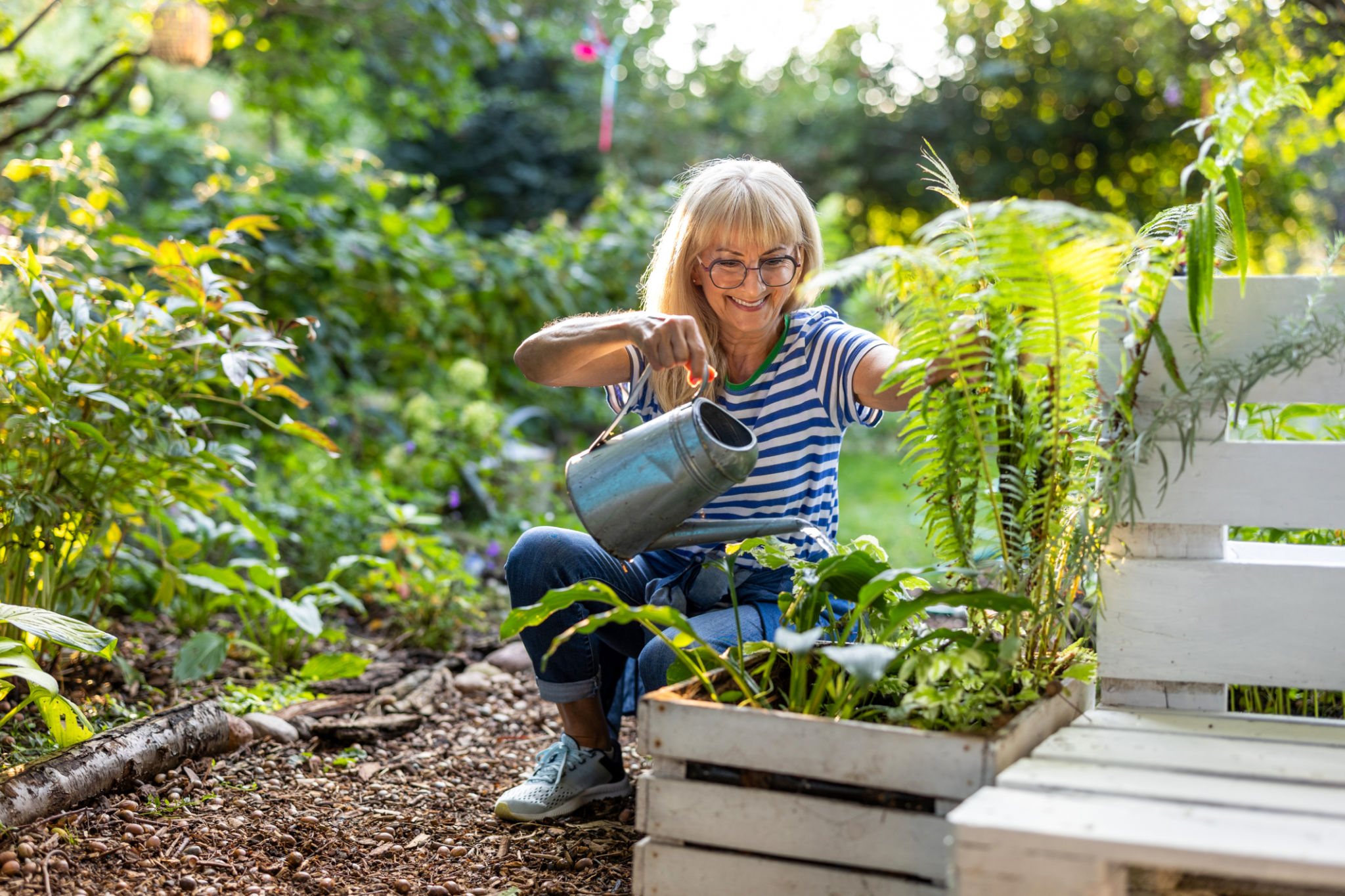
After months of hard work, Jane and Tom enjoyed a bountiful harvest. The garden not only supplied fresh produce but also reduced their grocery bills and carbon footprint. The joy of cooking with homegrown ingredients was an added bonus.
Personal Growth and Satisfaction
Beyond the tangible benefits, the project brought a sense of accomplishment and personal growth. Gardening became a therapeutic activity, providing both physical exercise and mental relaxation. Jane and Tom felt a deeper connection to nature and their food sources.
Conclusion
Transforming their backyard into an edible garden was a rewarding endeavor for Jane and Tom. Through careful planning, sustainable practices, and community support, they created a space that was both beautiful and functional. Their journey serves as an inspiring example for anyone looking to embark on a similar project.